Commercial Dough Mixer Buying Guide for Bakeries
Discover how to choose a commercial dough mixer for your bakery. Compare spiral and planetary models, key features, and long-term value.
2026/08/20
Reading volume: 0
News Details
A dough mixer is essential equipment for every bakery. It turns flour and water into smooth, elastic dough. Without one, consistent production becomes very difficult. Commercial bakeries depend on reliable mixing every day. A bread mixer handles large batches with ease. Therefore, choosing the right model matters greatly. This guide helps buyers compare models with confidence. It covers features, costs, and common pitfalls. Use it to make a smart purchasing decision.
Why Your Bakery Needs a Commercial Dough Mixer
Hand mixing slows down your entire production line. It also leads to uneven textures in finished bread. A commercial dough mixer solves both problems quickly. Consistency is the foundation of a strong bakery brand. Every loaf should look and taste the same. Furthermore, automation removes human error from the process. Labor shortages affect bakeries across many regions. A dough mixer lets fewer staff produce more output. As a result, your team can focus on skilled tasks. Energy efficiency also reduces monthly operating bills. Modern mixers draw less power during peak demand. Over time, these savings become very significant.
Key Features to Look For
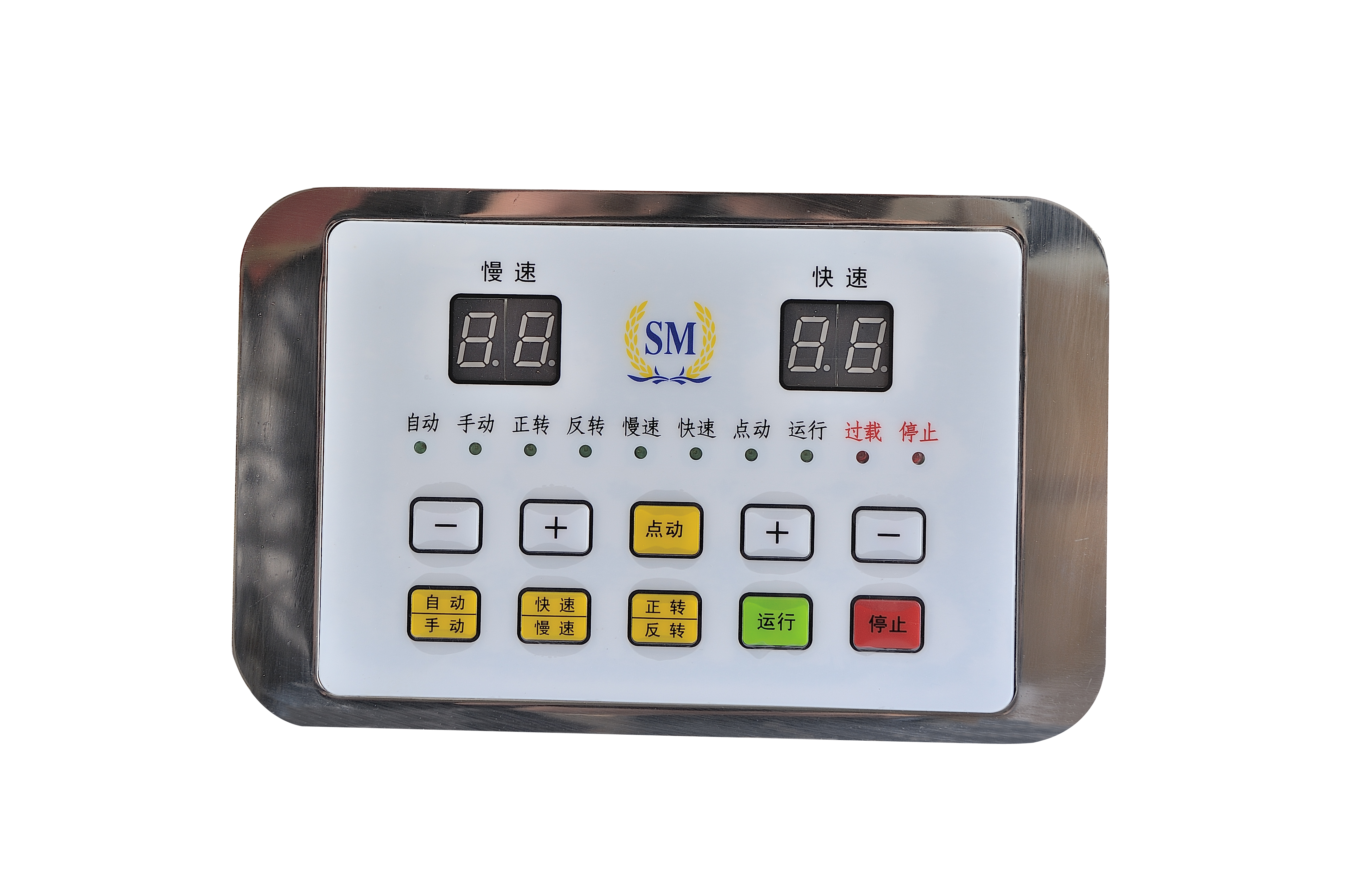
Motor power is the heart of any mixing machine. Strong motors handle stiff dough without overheating. Consider the heaviest dough you will ever make. Bowl capacity should match your daily production volume. An oversized machine wastes energy on small batches. Conversely, a small bowl slows down busy mornings. Stainless steel construction resists rust and corrosion. It also meets strict food safety standards easily. Removable bowls make cleaning quick and simple. Safety features protect workers during daily operation. Look for guards, emergency stops, and stable bases. In addition, choose models with clear control panels. Variable speed control adds flexibility to every batch. Slow speeds fold delicate ingredients without damage. Fast speeds save time during heavy mixing work.
Spiral Mixer vs Planetary Mixer
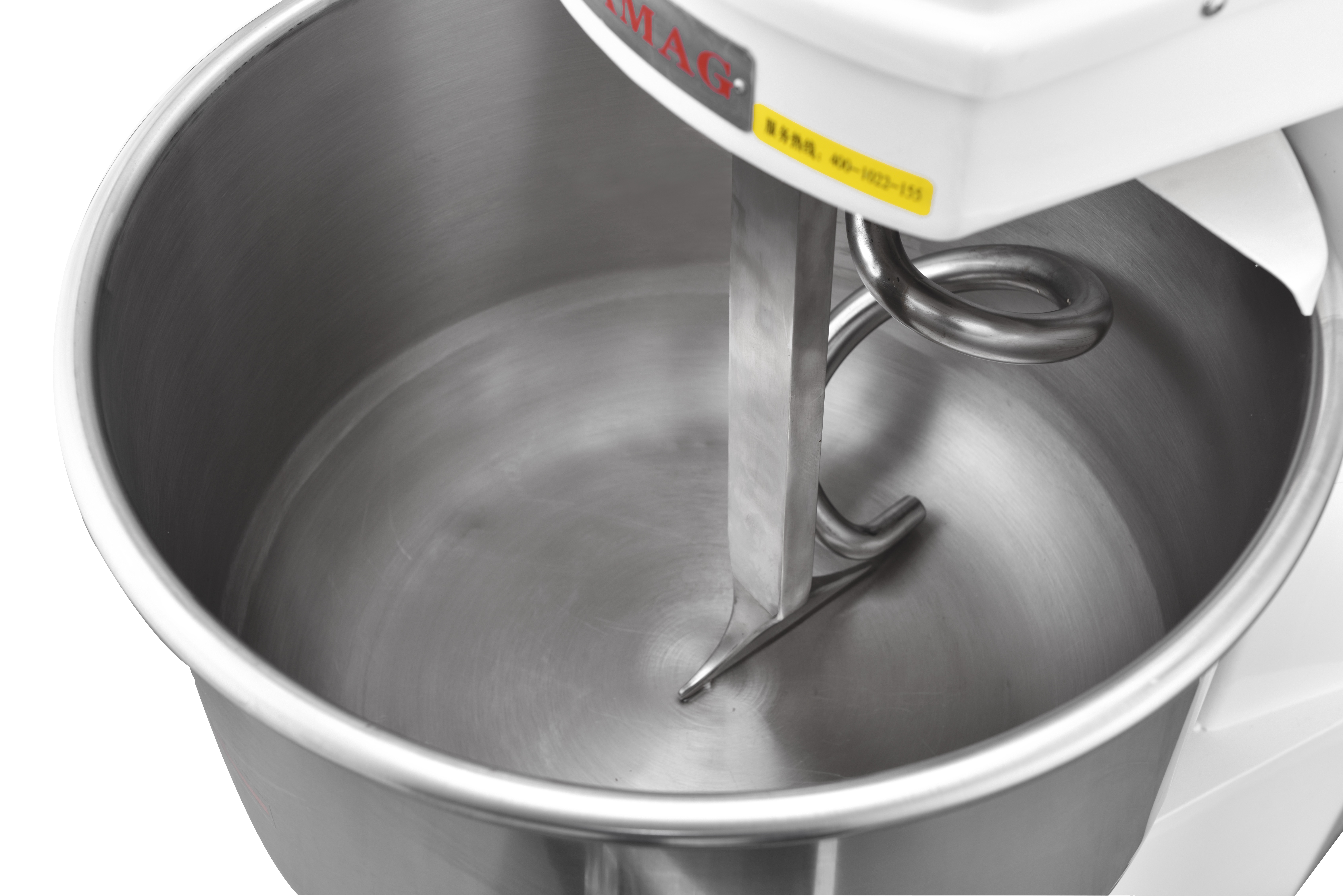
Spiral mixers excel with stiff and heavy doughs. Their fixed bowl and moving hook create deep folds. This design mimics professional kneading techniques closely. Planetary mixers rotate the tool and the bowl together. They handle lighter doughs and other kitchen tasks. Meanwhile, spiral units offer better gluten development. Bread dough mixer units often feature spiral action. Pizza, bagel, and artisan doughs all benefit greatly. However, your product range should guide the final choice. Compact bakeries may prefer versatile planetary models. Large factories need high-capacity spiral machines. Therefore, evaluate your floor space and output first. Timers let staff run consistent mixing cycles. Automated programs reduce training time for new hires. Besides, digital displays show progress clearly.
Maintenance and Long-Term Value
Regular cleaning prevents dough residue and bacteria buildup. Follow the manufacturer’s schedule for lubrication. This simple habit extends the machine’s lifespan. Check belts, gears, and seals at regular intervals. Replace worn parts before they cause downtime. Consequently, unexpected breakdowns become much rarer. Warranty coverage varies widely between suppliers. Always confirm spare parts are available locally. Good after-sales support saves money over the long term. A quality bread mixer machine lasts for many years. Its cost spreads across thousands of produced loaves. In fact, reliable equipment reduces total operating costs. Keep a cleaning log to track maintenance duties. Train every operator on proper daily care. This teamwork keeps machines running smoothly. Choosing the right dough mixer shapes your bakery’s future. Evaluate your needs, budget, and production goals carefully. Then invest in a machine that grows with your business. A great mixer saves time, labor, and materials daily. It also improves the quality of every product you sell. Finally, dependable equipment builds lasting customer trust. Ask suppliers about delivery times and installation help. Request a live demonstration before you commit. Seeing the machine run builds real buyer confidence.
Share to:


