Convection Oven Buying Guide for Commercial Kitchens and Bakeries
Explore how a convection oven speeds up baking, cuts energy costs, and improves product consistency. Compare countertop convection ovens and gas convection ovens for your commercial kitchen.
2026/08/20
Reading volume: 0
News Details
A commercial convection oven is a vital workhorse for any modern food business. By baking faster and cooking far more evenly than standard radiant models, these reliable units have become indispensable for busy kitchens, bakeries, and catering operations.
How a Convection Oven Works
Inside the baking chamber, a commercial convection oven relies on a continuous internal fan to circulate heated air around the food. This active airflow eliminates cold pockets, delivering rapid, remarkably balanced heat to every single tray. As a result, baking times shrink significantly while product consistency improves. Operators can load multiple racks simultaneously without worrying about uneven browning. Because the oven reaches target temperatures faster and maintains them efficiently, overall energy consumption drops. Modern units also feature intuitive digital controls, allowing staff to set precise temperatures and custom cooking profiles within seconds. This simplifies onboarding for new team members. Many models come with pre-programmable timers for high-frequency menu items, eliminating guesswork and minimizing operational errors. To get the most out of your unit, proper loading is essential. Leaving small gaps between pans ensures unrestricted airflow, turning your convection oven into a high-yield production asset.
Countertop Convection Ovens for Small Kitchens
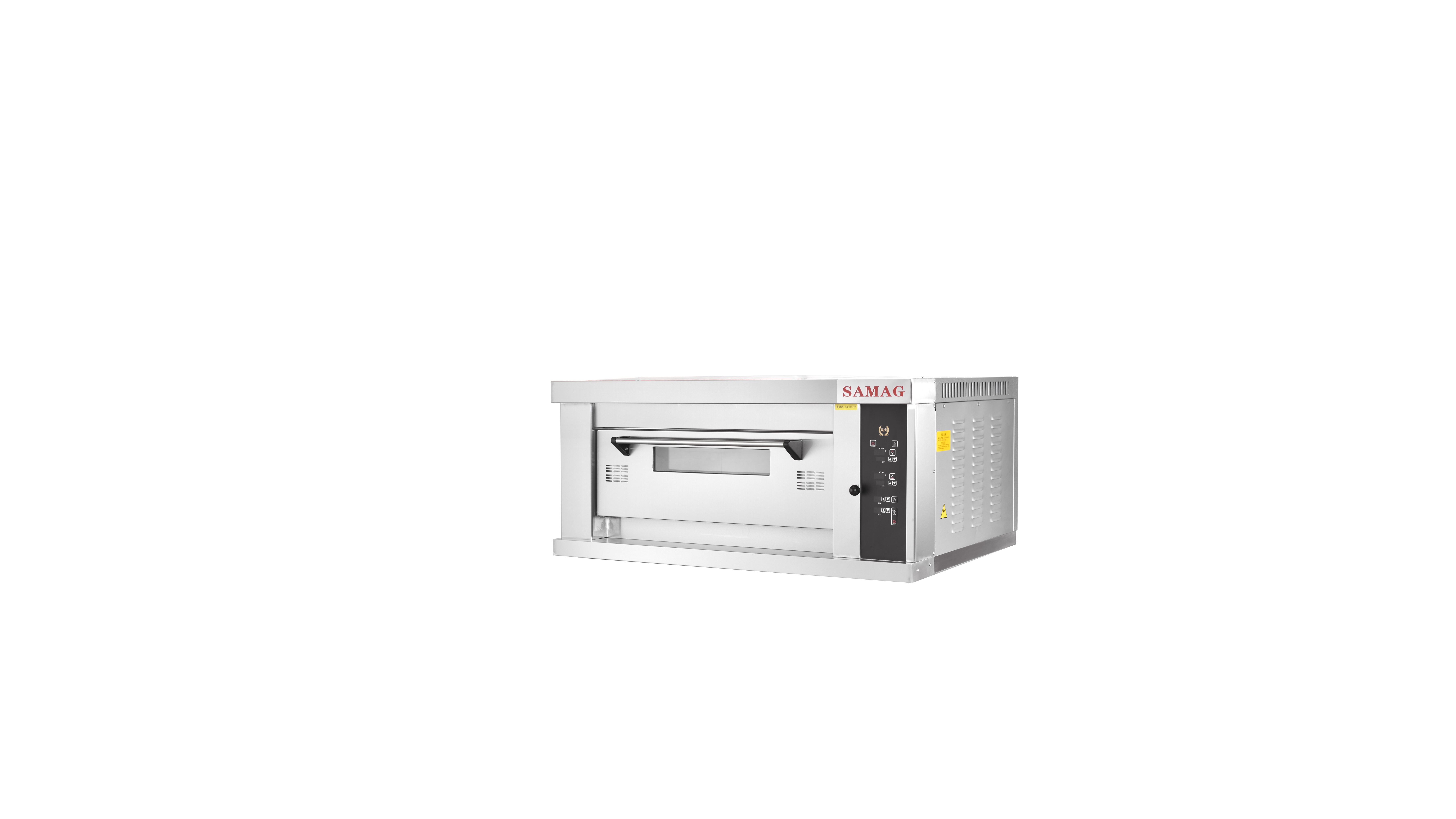
For facilities with limited floor space, countertop convection ovens deliver full-scale baking power within a compact footprint. Cafes, delis, and food trucks frequently rely on these space-saving models to maximize productivity. A countertop unit sits neatly on standard stainless steel worktables, handling pastries, roasted vegetables, and daily baked goods with ease. Operators benefit from straightforward setup and easy installation, often requiring no complex venting infrastructure. By combining baking and light roasting functions into a single piece of equipment, these units help small operations save on upfront capital. Smaller teams can easily boost their hourly output without adding extra labor. Before purchasing, be sure to verify the oven's electrical requirements against your local power supply. Choosing models with removable internal racks and panels will also simplify daily cleaning routines. Rapid preheating ensures your kitchen is service-ready on busy mornings without costly delays.
Gas Convection Ovens for Heavy-Duty Production
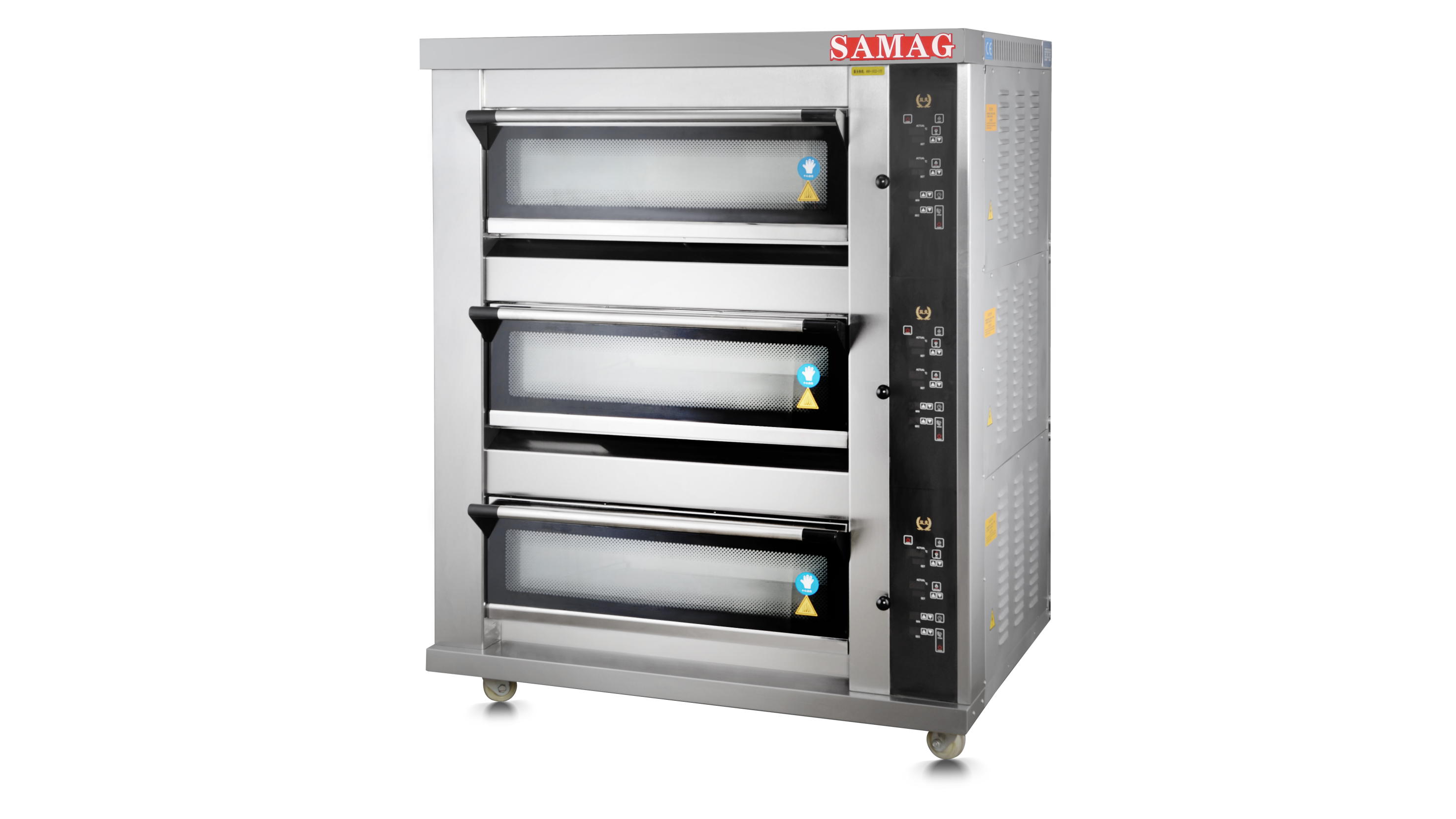
High-volume bakeries and commercial kitchens depend on gas convection ovens for high-capacity baking and continuous output. Gas-fired units heat up rapidly and offer exceptional thermal recovery after frequent door openings during peak service hours. These machines handle large batch volumes with impressive reliability. In regions with lower gas rates, operating costs remain significantly below electric alternatives, making gas models a preferred choice for growing commercial operations. Proper ventilation is critical when running gas equipment, and installations must comply with local safety and building codes. Routine maintenance of the burner assembly ensures consistent ignition and long-term performance. Engineered for demanding schedules, gas convection ovens offer superior uptime and durability. Advanced safety features—including automatic gas shutoff valves and cool-touch outer doors—protect kitchen staff and streamline daily operations.
Choosing the Right Convection Oven for Your Business
Selecting the ideal oven begins with evaluating your daily batch volumes and available kitchen footprint. Determine whether a space-saving countertop model or a heavy-duty floor unit better aligns with your workflow. Compare capacity, power sources, and maintenance features before making a decision. Whenever possible, request a live product demonstration or detailed spec sheet from your supplier, and review warranty coverage alongside after-sales service terms. Reliable technical support protects your machinery investment for years to come. With models designed for every budget and layout, a well-chosen commercial oven prevents costly performance bottlenecks. Evaluating energy efficiency ratings and calculating expected payback based on your production capacity will ensure your new oven pays for itself through reduced food waste and higher daily output.
Share to:


