Dough Machine: A Practical Buying Guide for Commercial Bakeries and Pizzerias
Discover how a dough machine improves bakery output. Compare pizza dough mixer and bread dough mixer options. Find the right industrial dough mixer for your kitchen.
2026/08/20
Reading volume: 2
News Details
A dough machine now stands at the center of every modern commercial kitchen. It replaces slow manual kneading with fast, repeatable work. But many bakery owners still hesitate before making this purchase. For example, the range of models on the market can feel overwhelming. Therefore, this guide breaks down each option in plain terms. Choosing the right equipment starts with understanding your own production. A small pizzeria needs different capacity than a large bread factory. Also, your daily menu decides the mixing action you require. Standard units suit most shops, yet custom setups deliver more. In short, careful planning now prevents costly mistakes later.
Why Every Commercial Bakery Needs a Dough Machine
Manual dough preparation consumes hours of staff time each week. A reliable dough machine cuts that workload down dramatically. But the real advantage is consistency across every single batch. Therefore, your customers receive the same quality every morning. For example, texture and rise time stay identical throughout the day. Labor shortages are a constant headache for bakery owners. One machine lets a single operator handle several heavy batches. Also, the equipment reduces physical strain on your team. Standard mixing programs remove guesswork from new employees. Yet the machine never tires, works late, or takes sick days. Volume matters most during peak seasons and holiday rushes. A dough machine keeps pace when orders double overnight. But you must match capacity to your actual sales numbers. For example, an oversized unit wastes energy and floor space. Therefore, measure weekly output before you decide on size.
Pizza Dough Mixer vs Bread Dough Mixer: Choosing the Right Model
Pizza and bread doughs respond to very different mixing methods. A pizza dough mixer favors gentle folding for a soft, elastic ball. A bread dough mixer, in contrast, offers stronger kneading power. But both machines aim for perfect gluten development. Therefore, your menu should guide the final choice. A pizzeria prepares fresh dough several times during one shift. For example, a pizza dough mixer must run fast and stay durable. A bakery that sells loaves may prefer a bread dough mixer with a spiral arm. Also, consider how much dough you need per single batch. Standard models can handle most tasks, yet specialty units excel. Think about future growth when you compare these machines. But do not pay for capacity you will never actually use. For example, modular options allow later upgrades at low cost. Therefore, plan for the next five years, not just this month. But a right dough machine speeds up your whole production line.
Key Features of an Industrial Dough Mixer
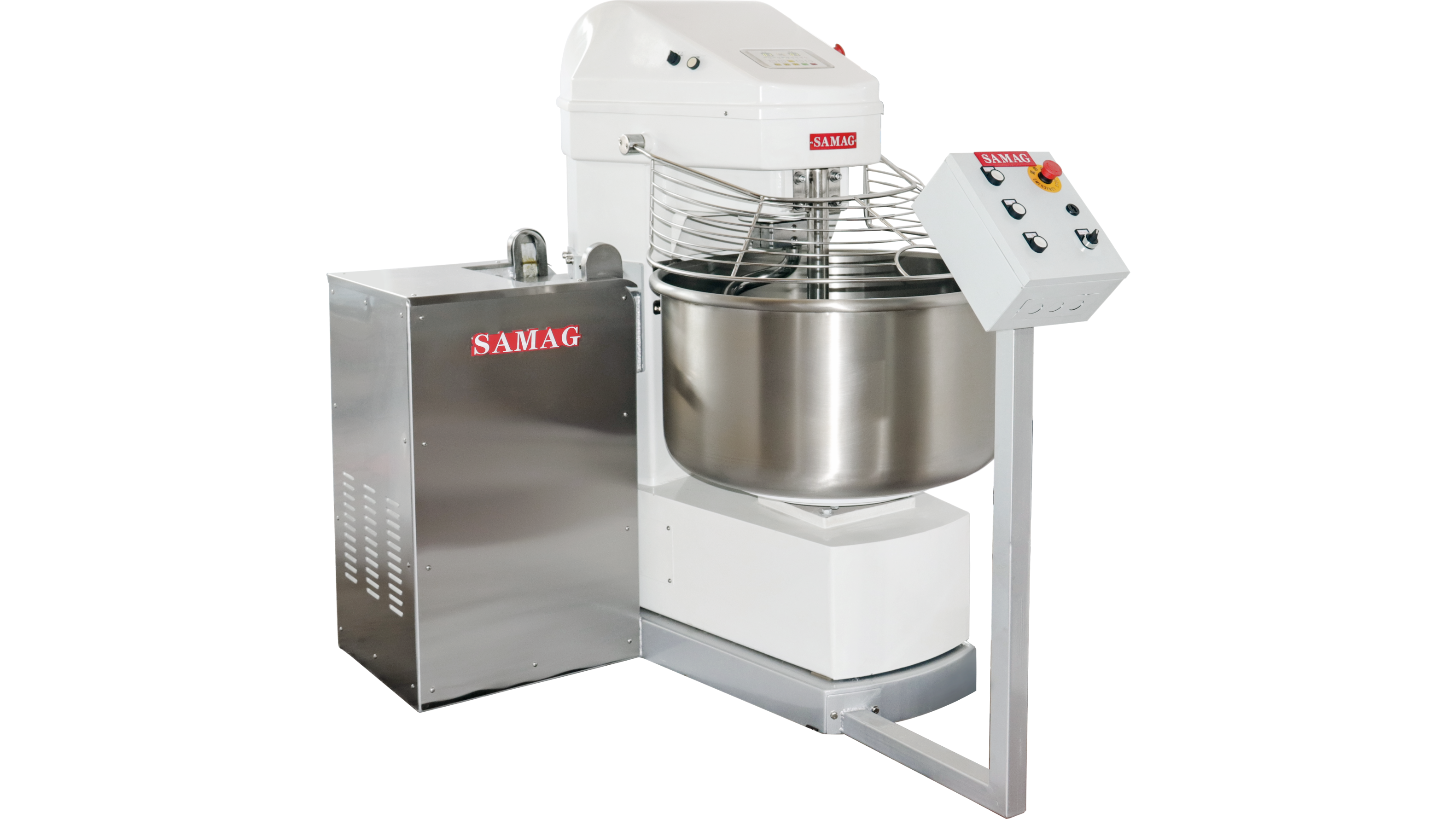
An industrial dough mixer is built for heavy and continuous use. Strong motors, stainless bowls, and solid frames define this class. But the true value lies in programmable mixing cycles. Therefore, every batch follows the exact same recipe. For example, staff can start a full run with a single button. Safety features matter just as much as raw mixing power. Automatic bowl lifts and emergency stops protect every worker. Also, low-noise operation keeps kitchens calm during long shifts. Yet enclosed drives reduce dust and contamination risks. Standard guards meet modern safety rules with minimal effort. Energy use is another key factor for an industrial dough mixer. Efficient motors lower your monthly electricity bill quickly. But durable parts reduce replacement costs over the machine's life. Therefore, ask suppliers about service and spare part supply. For example, a local service network saves days of downtime.
How to Maximize Output and Maintain Your Dough Machine
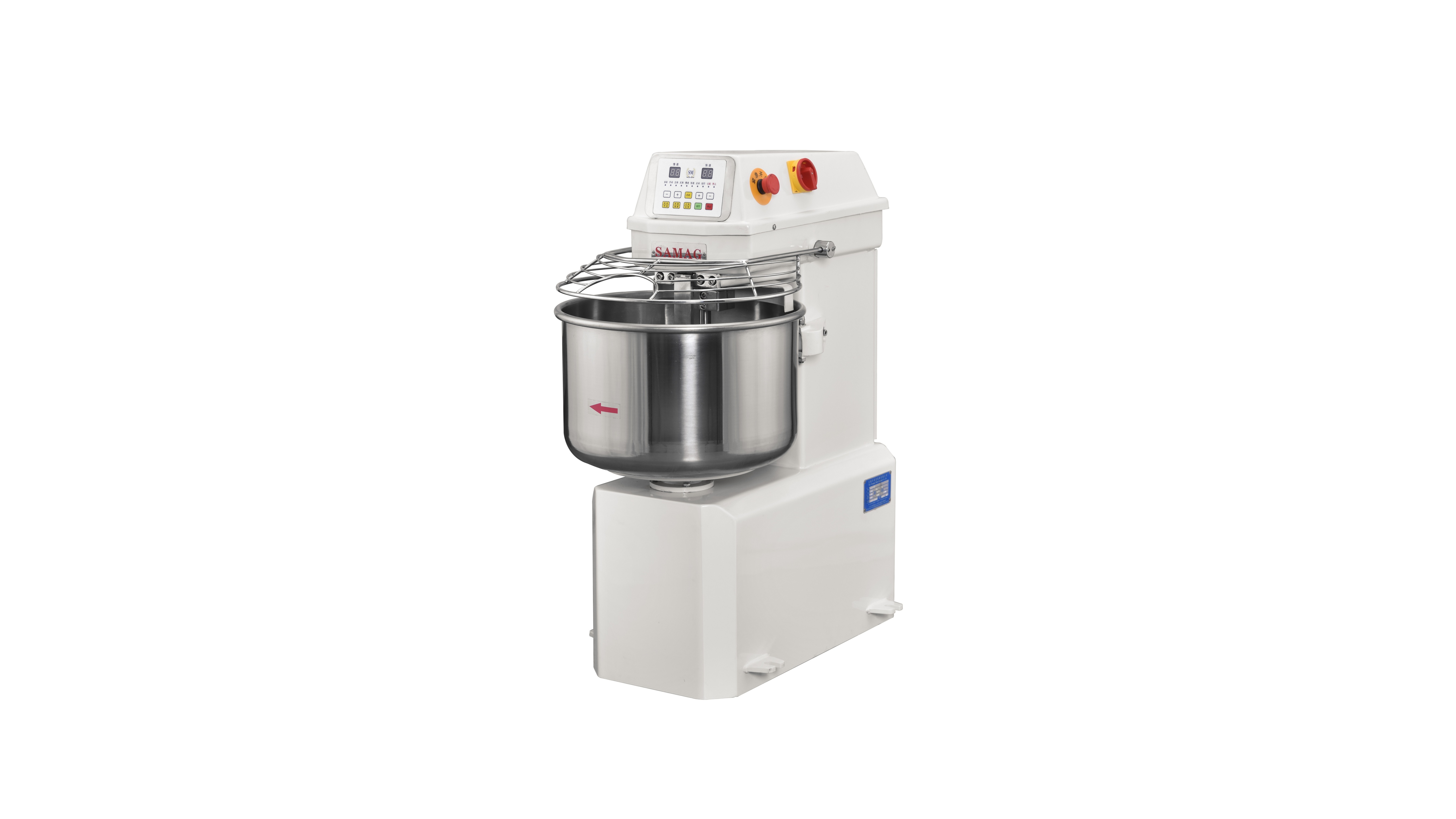
Regular cleaning keeps any dough machine running at peak speed. Yet many operators skip this step during busy shifts. But simple daily routines prevent costly downtime later. Therefore, schedule checks around every production cycle. For example, wipe bowls and seals at the end of each shift. Proper lubrication protects moving parts from wear and tear. Also, inspect belts and gears once every few weeks. Standard maintenance plans are easy to build and follow. But always use parts recommended by the manufacturer. In summary, good habits extend equipment life for many years. Training your team on one machine creates real consistency. For example, show staff how to load, run, and unload safely. Therefore, assign one person to own daily machine care. Yet remember that even the best dough machine needs a human touch. But with care, your unit will serve your bakery for a long time.
Share to:


