Ultimate Mixer Machine Buying Guide: Home & Commercial
Searching for the perfect mixer? Compare stand and dough mixers online today.
2026/10/28
Reading volume: 0
News Details
Mixer Machine for Efficient and Consistent Mixing
A reliable mixer machine makes everyday baking and food preparation easier. From kneading bread dough to mixing ingredients for pastries, the right equipment helps improve consistency while reducing manual work. Choosing a suitable model depends on the type of food being prepared, the required batch size, and how frequently the machine will be used. For bakeries and food production businesses, equipment performance can affect both product quality and production efficiency. Home users may prioritize compact dimensions and ease of cleaning, while commercial buyers often focus on capacity, durability, and operating costs. Understanding these differences makes it easier to select a machine that meets your needs.
Why Your Kitchen Needs a Mixer Machine
A mixer machine handles repetitive mixing tasks with less manual effort. It combines ingredients evenly and helps maintain consistent results across batches. Compared with hand mixing, a suitable machine can also reduce preparation time, particularly when working with large quantities or dense dough. For bakeries, a reliable flour dough mixer is an important part of daily production. It helps combine flour, water, yeast, and other ingredients into a workable dough. Home bakers can benefit from smaller models designed for occasional bread making, pizza preparation, and other baking tasks. Good mixing plays an important role in dough development. Consistent kneading helps distribute ingredients evenly and develop the gluten structure needed for many bread products. The appropriate mixing time and speed will vary depending on the recipe, flour type, and desired dough characteristics. A mixer machine can also make it easier to manage a busy kitchen. Families can prepare dough and batter with less hands-on effort, while professional kitchens can use suitable equipment to handle recurring preparation tasks. Choosing the right attachments and operating settings helps ensure the machine performs as intended.
Types of Mixer Machines
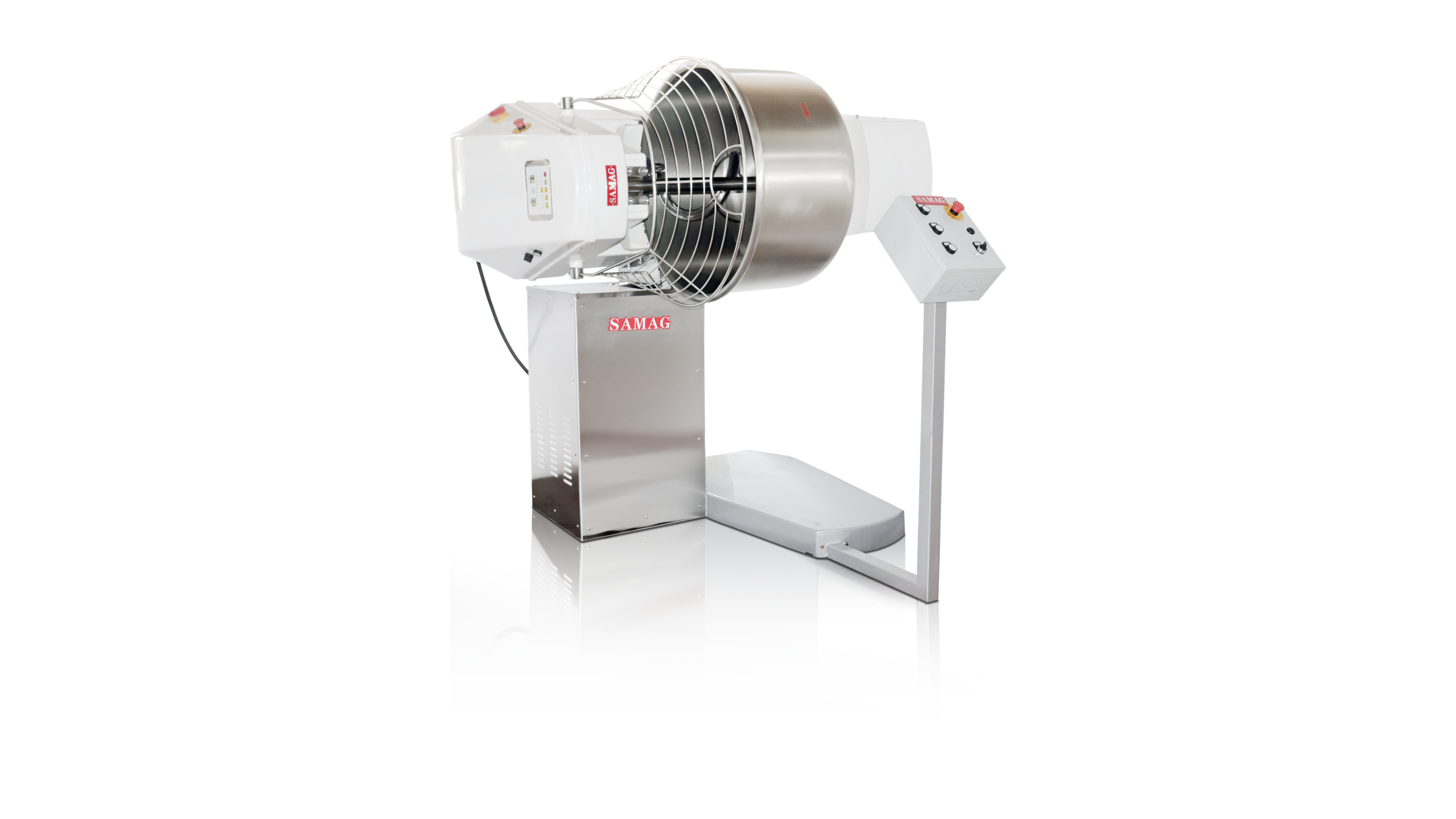
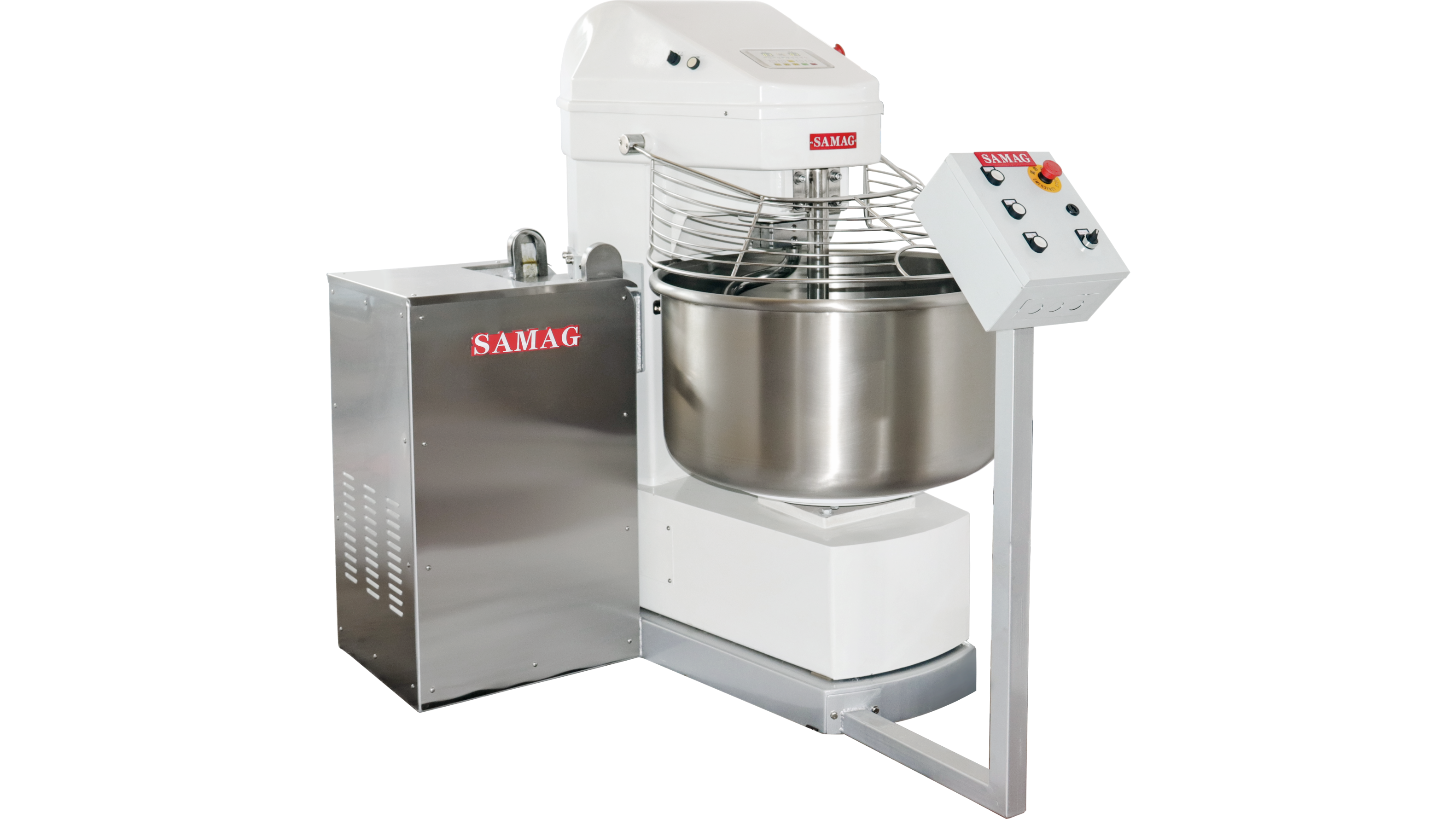
Mixer machines are available in different designs to suit a range of applications. Compact countertop models work well for home kitchens and small batches, while larger floor-standing units are designed for higher-volume food preparation. Buyers should consider production requirements before deciding which type offers the best fit. A basic dough making machine is suitable for preparing dough for bread, pizza, and similar products. Depending on the design, more advanced models may offer multiple speed settings, different attachments, and features intended for frequent use. Spiral mixers are commonly used for bread and pizza dough, while planetary mixers can handle a wider range of tasks, including mixing batter and whipping cream. Although these machines share some functions, their mixing actions and intended applications differ. Spiral mixers are designed primarily for dough preparation, whereas planetary mixers use interchangeable tools for greater versatility. Selecting equipment based on the products you make can improve efficiency and help avoid paying for features you rarely use. Available space is another practical consideration. Countertop mixers are easier to accommodate in smaller kitchens, while commercial floor models require sufficient room for operation, cleaning, and maintenance. Measuring the installation area and checking the machine's dimensions before ordering can prevent unnecessary complications.
Key Features to Consider Before Buying
Motor power affects a mixer machine's ability to handle different ingredients and batch sizes. Dense dough generally requires a machine designed for heavier workloads, while lighter mixing tasks may not need as much power. Buyers should evaluate motor specifications alongside the machine's intended duty cycle and recommended operating limits. Bowl capacity is equally important. Smaller bowls may be sufficient for household baking, but bakeries need equipment that can accommodate their regular production volumes. Check the recommended batch capacity rather than relying on bowl volume alone, since the amount of dough a machine can handle depends on its design and the type of ingredients used. Build quality also influences service life. Stainless steel bowls are widely used because they are durable and relatively easy to clean. The quality of the drive system, mixing tools, housing, and other components should also be considered, especially for equipment that operates frequently. Safety and ease of maintenance deserve attention before purchase. Stable construction, protective guards where applicable, and appropriate safety interlocks can help support safer operation. Removable mixing tools and accessible cleaning areas may also reduce the time required for routine care. Price should be evaluated alongside performance and ongoing expenses. A lower-priced machine may suit occasional use, while a commercial operation may benefit from equipment designed for more demanding workloads. Comparing warranty coverage, spare parts availability, energy consumption, and expected maintenance costs provides a more realistic picture of long-term value.
How to Maintain Your Mixer Machine
Regular maintenance helps keep a mixer machine operating reliably. After each use, clean the bowl and attachments according to the manufacturer's instructions. Wipe down the exterior and remove food residue before it dries, paying particular attention to areas where ingredients can accumulate. Before cleaning or inspecting the machine, switch it off and disconnect the power supply when required by the manufacturer's instructions. Check the power cord, plug, mixing tools, and protective components for visible signs of damage. Any damaged parts should be addressed before the machine returns to service. Moving parts and drive components may require periodic inspection or lubrication, depending on the model. Follow the recommended maintenance schedule rather than applying lubricants without checking the manual. Using the wrong lubricant or maintaining sealed components incorrectly can cause unnecessary problems. Avoid exceeding the machine's recommended batch capacity or operating it beyond its intended duty cycle. Overloading can place additional strain on the motor and drive system. Allowing the machine to rest when required and using the correct speed setting can help reduce unnecessary wear. Unusual noises, excessive vibration, or changes in mixing performance may indicate a developing problem. Stop the machine and inspect it according to the manufacturer's guidance before continuing operation. For commercial equipment, timely servicing and access to replacement parts can help minimize production interruptions. Choosing the right mixer machine starts with understanding your daily workload, batch requirements, and available space. By comparing mixing functions, capacity, construction quality, and maintenance needs, buyers can find equipment that suits their operation. A well-matched machine can support consistent food preparation and dependable performance over time.
Share to:


