Bakery Equipment: A Comprehensive Purchasing Guide
A practical B2B guide to choosing equipment for a bakery. Compare industrial baking equipment, versatile bakery machines, and commercial baking equipment with confidence.
2026/11/02
Reading volume: 0
News Details
Equipment for a Bakery: How to Choose the Right Machines
Choosing the right equipment for a bakery is an important step in building an efficient and profitable operation. From dough preparation to baking and storage, each machine plays a role in product quality, production capacity, and daily workflow. Before making a purchase, bakery owners should consider their menu, expected output, available space, and long-term operating costs.
Understand Your Production Needs and Available Space
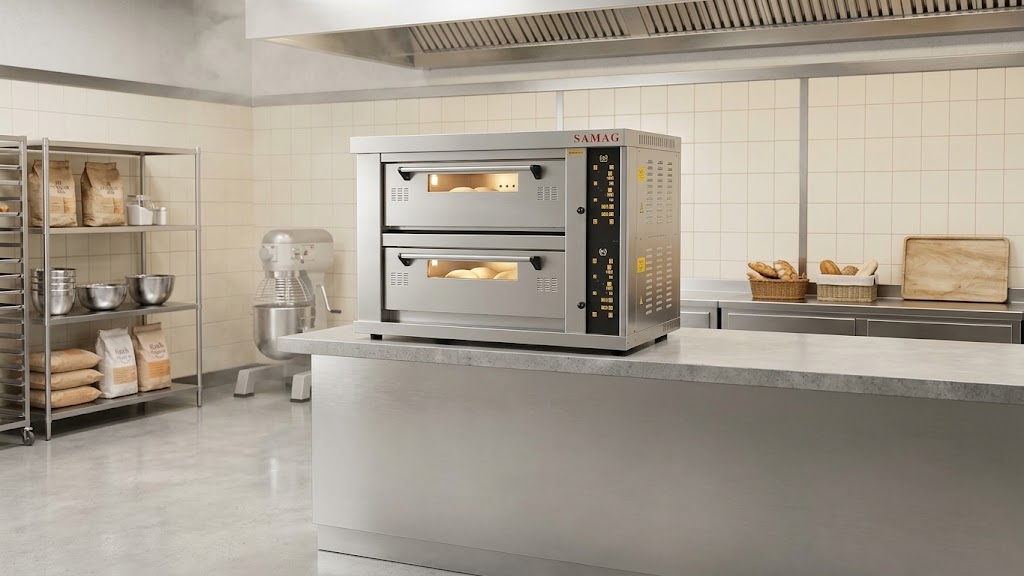
Start by estimating your daily production volume based on actual sales data and expected demand. The number of breads, pastries, cakes, and other baked goods you plan to produce will help determine the capacity and type of equipment required. Smaller bakeries may benefit from compact machines that make efficient use of limited floor space, while high-volume operations often need larger-capacity equipment to maintain a consistent production schedule. Your menu and peak operating hours should also influence the layout. A bakery with a busy morning service may require faster dough preparation, sufficient proofing capacity, and reliable ovens to handle concentrated demand. Positioning mixers, dough processing equipment, proofers, and ovens in a logical sequence can reduce unnecessary movement and make daily production more efficient. Accurate measurements are essential before placing an order. Check doorways, aisles, ceiling height, electrical connections, water supply, and ventilation requirements to ensure that each machine can be delivered and installed properly. It is also worth considering future business growth. Additional capacity can help accommodate seasonal demand or menu expansion without requiring an immediate replacement of your existing equipment.
Choose Industrial Baking Equipment Built for Daily Use
Durability should be a key consideration when comparing industrial baking equipment. Commercial machines often operate for extended periods and handle demanding production schedules, so sturdy construction and reliable components are important. Equipment designed for regular commercial use can help reduce unexpected downtime and keep production running consistently. Material quality, cleaning requirements, and operating convenience also deserve attention. Stainless steel surfaces are widely used in food processing environments because they are durable and relatively easy to clean. Accessible components and straightforward controls can simplify routine maintenance, reduce operator errors, and make staff training easier. Before purchasing, inspect the machine's construction and operating performance whenever possible. Check the overall finish, joints, welds, moving parts, and control systems. A demonstration or test run can provide a clearer understanding of how the equipment performs under working conditions than product specifications alone. After-sales support is equally important. Ask suppliers about spare parts availability, warranty coverage, maintenance procedures, and local technical assistance. A machine with a competitive purchase price may become more expensive over time if replacement parts are difficult to obtain or repairs take too long. Evaluating long-term service costs helps you make a more practical investment.
Invest in Versatile Bakery Machine Options
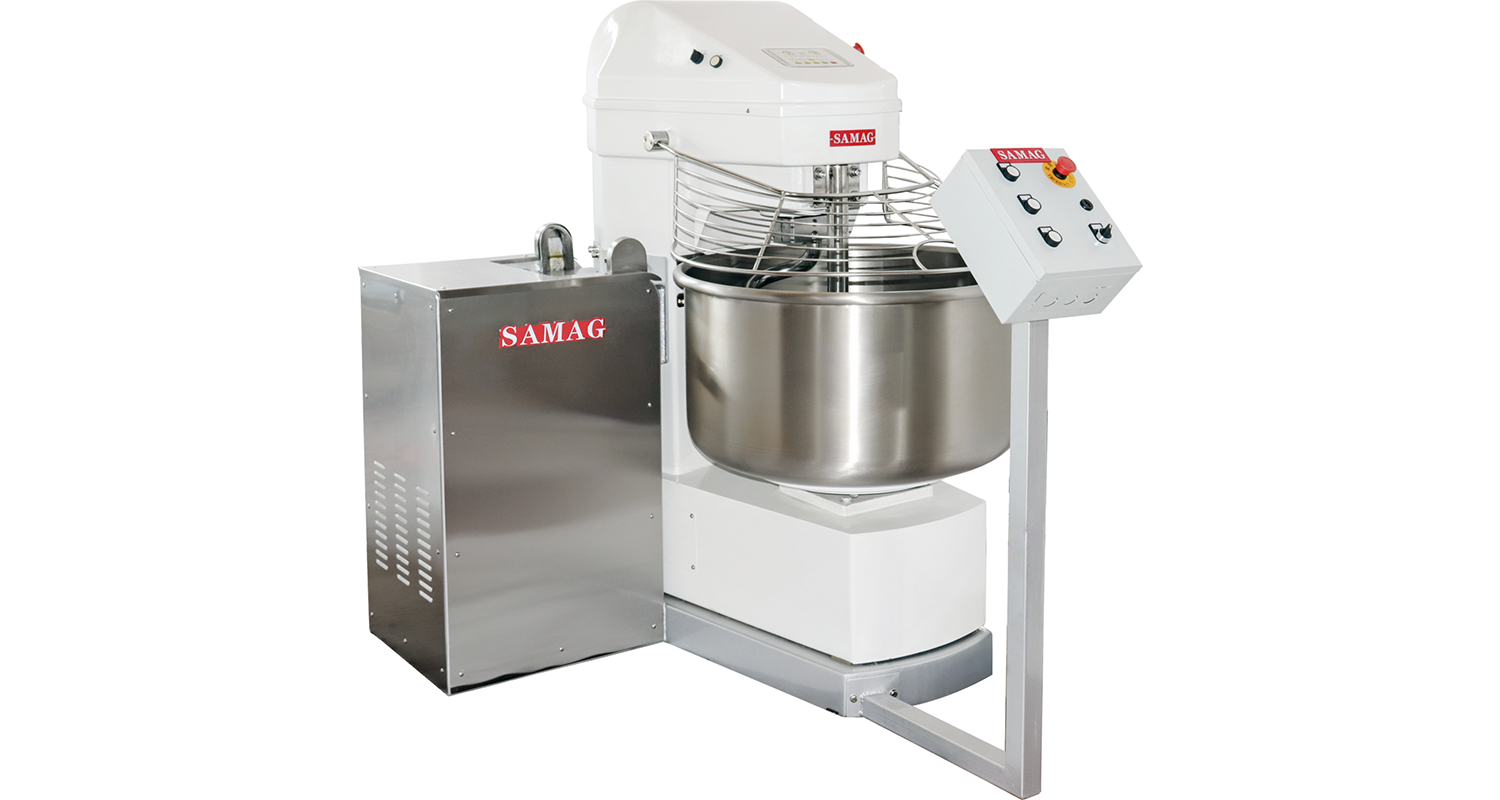
Versatility can make a significant difference, especially for bakeries that produce a variety of products. A suitable bakery machine should support your main production tasks while offering enough flexibility for different recipes and batch sizes. For example, commercial mixers with interchangeable attachments can handle different mixing requirements, helping bakeries prepare dough, batter, cream, and other mixtures with fewer separate machines. Modular designs and adjustable settings can further improve equipment flexibility. They allow operators to adapt production processes when introducing new products or changing recipes. This is particularly useful for growing bakeries that want to expand their menus while keeping equipment investments under control. Automation is another feature worth considering. Programmable timers, speed settings, and preset operating functions can help standardize repetitive tasks and reduce manual workload. When properly configured, these features support more consistent production across different shifts and help staff manage busy periods more efficiently. Ease of operation should not be overlooked. Clear controls, accessible manuals, and practical safety features make it easier for employees to use equipment correctly. Machines that are straightforward to operate can reduce training time and help maintain a smoother workflow, particularly when multiple team members share production responsibilities.
Compare Commercial Baking Equipment and Suppliers
Once your requirements are clear, compare commercial baking equipment from several qualified suppliers. Look beyond the listed price and review technical specifications, production capacity, power requirements, dimensions, warranty terms, and delivery schedules. Request detailed quotations so you can identify differences in machine configuration, included accessories, installation services, and other potential costs. It is also important to calculate the total cost of ownership rather than focusing only on the initial purchase price. Electricity consumption, routine maintenance, replacement parts, and potential production downtime all affect the long-term cost of operating a machine. Equipment with a higher upfront price may offer better value if it provides suitable performance and lower maintenance requirements over time. Supplier experience and customer feedback can provide additional insight. Ask for references from bakeries or food production businesses that use similar equipment. If possible, review product demonstrations, installation cases, and feedback on after-sales service. These details can help you assess whether a supplier understands the practical requirements of commercial bakery operations. Before finalizing an order, confirm the warranty, technical support arrangements, spare parts supply, and operator training included in the agreement. A dependable supplier should provide clear operating instructions and guidance on routine maintenance. This support helps your team use the equipment properly and reduces avoidable problems after installation. Choosing the right equipment for a bakery requires more than comparing machine prices. Production capacity, available space, durability, versatility, and supplier support all contribute to long-term operating efficiency. By evaluating these factors carefully, bakery owners and commercial buyers can build a practical equipment setup that supports consistent product quality and future business growth.
Share to:


