The Complete Guide to Commercial Dough Mixers for Modern Bakeries
Learn how a commercial dough mixer, bread mixer, and bread dough mixer machine improve consistency, efficiency, and output in professional bakeries. A practical buying and operating guide.
2026/08/20
Reading volume: 2
News Details
The Commercial Dough Mixer: The Backbone of Professional Bakery Production
A bakery lives and dies by the quality of its dough, which is why the dough mixer is often the most important machine on the production floor. Every loaf, roll, and pastry begins in the mixing bowl, and the equipment you choose determines how consistent and profitable your operation becomes. Investing in a commercial dough mixer is a long-term decision that affects labor, energy, and product quality for years to come. In the following sections we look at why mixing matters, how a professional bread mixer works, and how to choose and maintain the right machine.
Why a Commercial Dough Mixer Determines Your Daily Consistency
Consistency is the currency of the baking industry, and the commercial dough mixer is the tool that makes it repeatable shift after shift. When speed, timing, and temperature are controlled precisely, gluten development follows the same path every time, so every batch delivers the same texture and flavor. Manual kneading and underpowered equipment introduce variation that no skilled baker can fully correct during shaping and proofing. A reliable commercial dough mixer also reduces physical strain on staff and lowers long-term labor costs. The impact of a good commercial dough mixer reaches beyond the mixing bowl and into your entire daily schedule. Faster, more predictable mixing means ovens are never waiting idle and delivery commitments become easier to meet. It also simplifies training, because new staff can follow a fixed routine instead of relying on instinct. When the machine handles the heavy work consistently, your bakers focus their skill on finishing and quality control where it adds real value.
How the Bread Mixer and Bread Dough Mixer Handle Professional Workloads
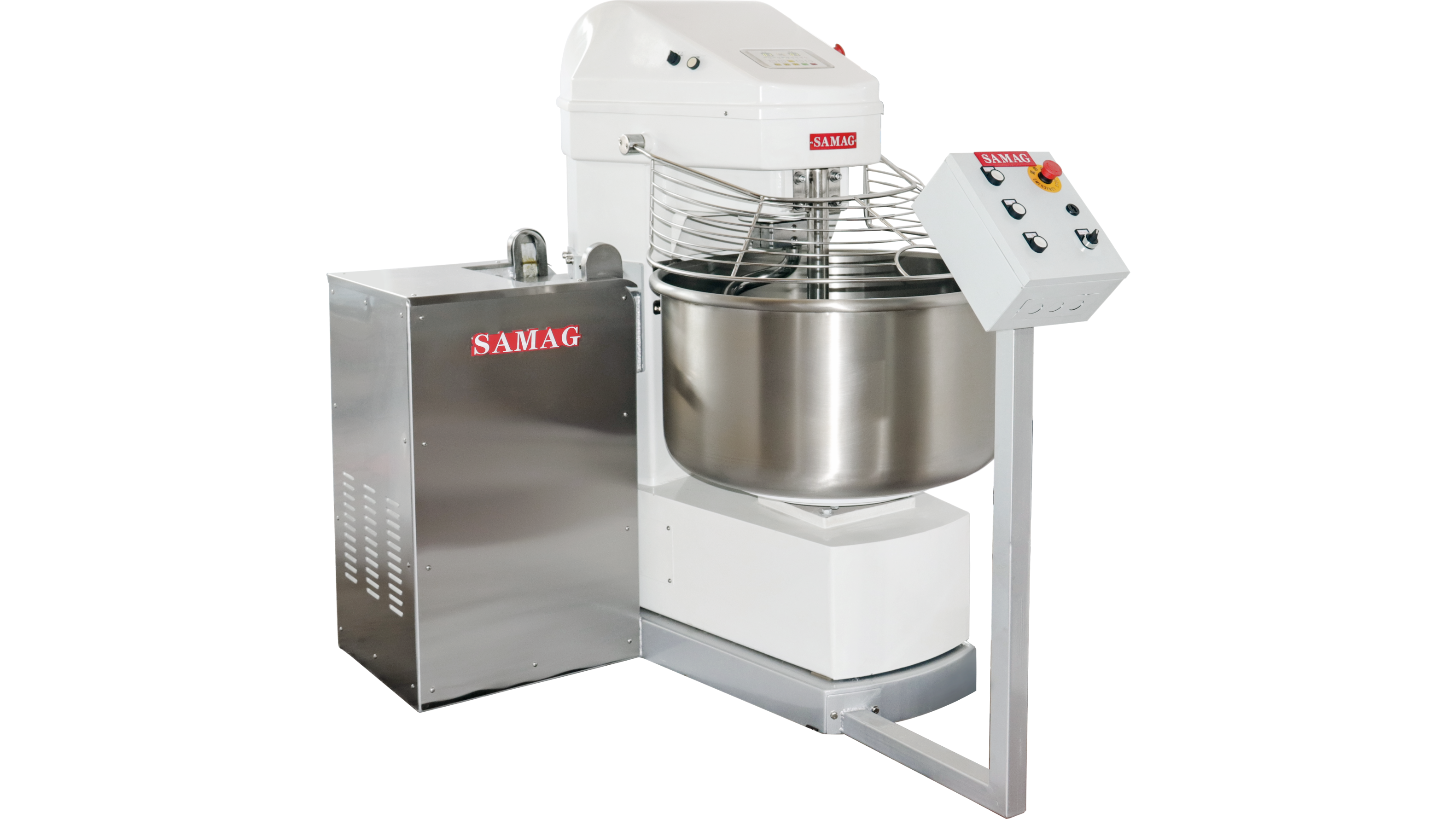
The bread mixer is purpose-built for the stiff, high-gluten doughs that dominate professional bakeries, workloads that would quickly destroy a domestic appliance. Spiral arms are favored for heavy bread doughs because they work the mass thoroughly while generating less heat, whereas planetary mixers suit softer batters and smaller batches. Choosing the correct configuration for your bread dough mixer determines how well it handles artisan loaves, sandwich bread, and enriched doughs. Temperature management matters too, since friction during kneading can warm the dough and upset fermentation timing. Modern bread dough mixer models bring features that make professional production considerably easier to manage. Variable speed control lets operators start gently and finish aggressively without overworking the dough. Digital timers and programmable cycles remove guesswork and ensure identical results across different shifts. Bowl lifts, safety guards, and easy-release bowls speed up loading, unloading, and cleaning, which keeps the bread dough mixer productive through long working days.
Choosing the Right Bread Mixer Machine for Your Bakery
Selecting the right bread mixer machine starts with an honest assessment of your daily output, the types of dough you produce, and the space available on your floor. Mixer capacity is typically rated by the weight of flour it can handle, so an artisan shop and a wholesale operation need very different models even within the same brand. The bread mixer machine must also match your electrical supply, room dimensions, and cleaning workflow, because sanitation is non-negotiable in a commercial kitchen. Ask about spare parts availability and service response times, since downtime on a central piece of equipment is extremely expensive. Comparing suppliers side by side is the most reliable way to avoid costly mistakes with your bread mixer machine. Request demonstrations and, if possible, test the unit with the actual dough recipes your team produces every day. Check how easy it is to change bowls, adjust speeds, and clean internal surfaces, because these details drive daily productivity. A well-matched bread mixer machine pays for itself through reduced labor, lower waste, and more consistent output.
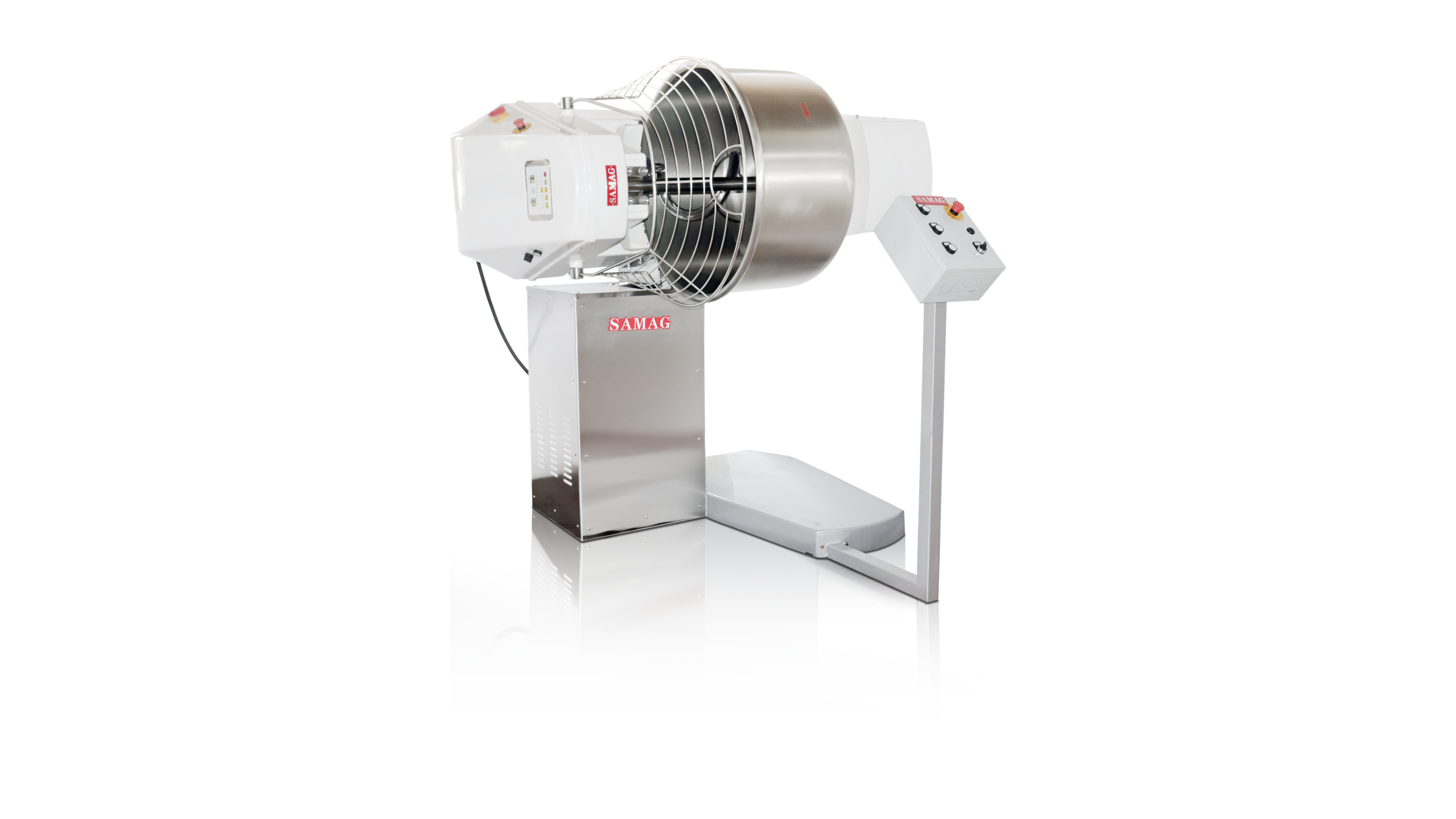
Maintaining Your Dough Mixer for Years of Reliable Service
Once the right dough mixer is installed, long-term results depend on disciplined training and preventive maintenance rather than luck. Operators should follow a standard procedure for loading ingredients, setting mixing times, and cleaning the bowl after every batch to keep quality uniform across all shifts. Daily wiping and scheduled deep cleaning prevent dough residue from hardening on moving parts and attracting pests. Regular checks of belts, gears, and lubrication catch small problems before they become costly breakdowns, and a simple maintenance log helps you track service intervals. A well-maintained dough mixer rewards your business with dependable performance and a long useful life. Seasonal servicing by a qualified technician addresses wear that daily cleaning cannot, protecting the most expensive mechanical components. Operator training protects the machine too, because correct usage prevents the overloads that shorten equipment life. With proper care, your dough mixer will support your bakery for many years and deliver a strong return on every dollar invested.
Share to:


