Commercial Ovens: The Complete Guide for Professional Bakeries
Discover how a reliable commercial oven boosts bakery output. Compare industrial oven options, key features, fuel types, and maintenance tips in this practical guide.
2026/08/20
Reading volume: 0
News Details
Why Your Bakery Needs a Reliable Commercial Oven
Busy bakeries cannot survive with home-style equipment. A commercial oven bakes larger batches in far less time. Also, it maintains steady temperatures across every tray. That consistency protects product quality from morning to closing time. An industrial oven also handles heavy daily use without breaking down. Standard residential units often fail under constant demand. For example, frequent service calls waste money and stall production. Therefore, commercial equipment pays for itself quickly. Professional teams rely on ovens that match their output goals. Commercial ovens come in many sizes and capacities. So every kitchen can find a suitable option. The right unit supports growth instead of limiting it. Buying the right model starts with honest volume estimates. Count your current orders and plan for future growth. Standard sizes handle most small and mid-size bakeries. Larger shops may need double-deck or rack systems.
Essential Features of Modern Industrial Ovens
Modern industrial ovens combine power with smart controls. Digital panels allow precise temperature and time settings. Therefore, operators can repeat perfect results on every batch. Simple interfaces also reduce staff training time. Good insulation is another critical feature to examine. It keeps heat inside the baking chamber. As a result, energy bills stay low and baking stays even. Durable stainless steel bodies add years of service. Steam injection options improve crust quality for many products. Some models include programmable recipes for faster work. For example, a bakery can save precious minutes each morning. These features turn a basic oven into a production tool. Ventilation and power needs deserve careful review. Installers can confirm the correct wiring and ducting. For example, a poor setup causes uneven baking and safety risks. Therefore, plan the installation before you buy.
Gas vs Electric Commercial Ovens: What to Choose
Both gas and electric commercial ovens serve busy kitchens well. Gas models heat up quickly and cost less to run. However, they require proper ventilation and gas lines. Electric models offer cleaner, more precise heat control. Consider your kitchen layout before making a final choice. Space and utility access often decide the best option. Also, local energy prices change long-term operating costs. Therefore, compare both numbers before signing anything. Many successful bakers prefer the model they already understand. Training and spare parts matter more than small price gaps. For example, a familiar unit reduces daily friction. So choose the system that fits your whole operation. Think about spare parts and local service support. A trusted supplier shortens downtime during busy weeks. Also, warranty terms vary between brands. So read every document before you commit.
Care and Maintenance That Extend Oven Life
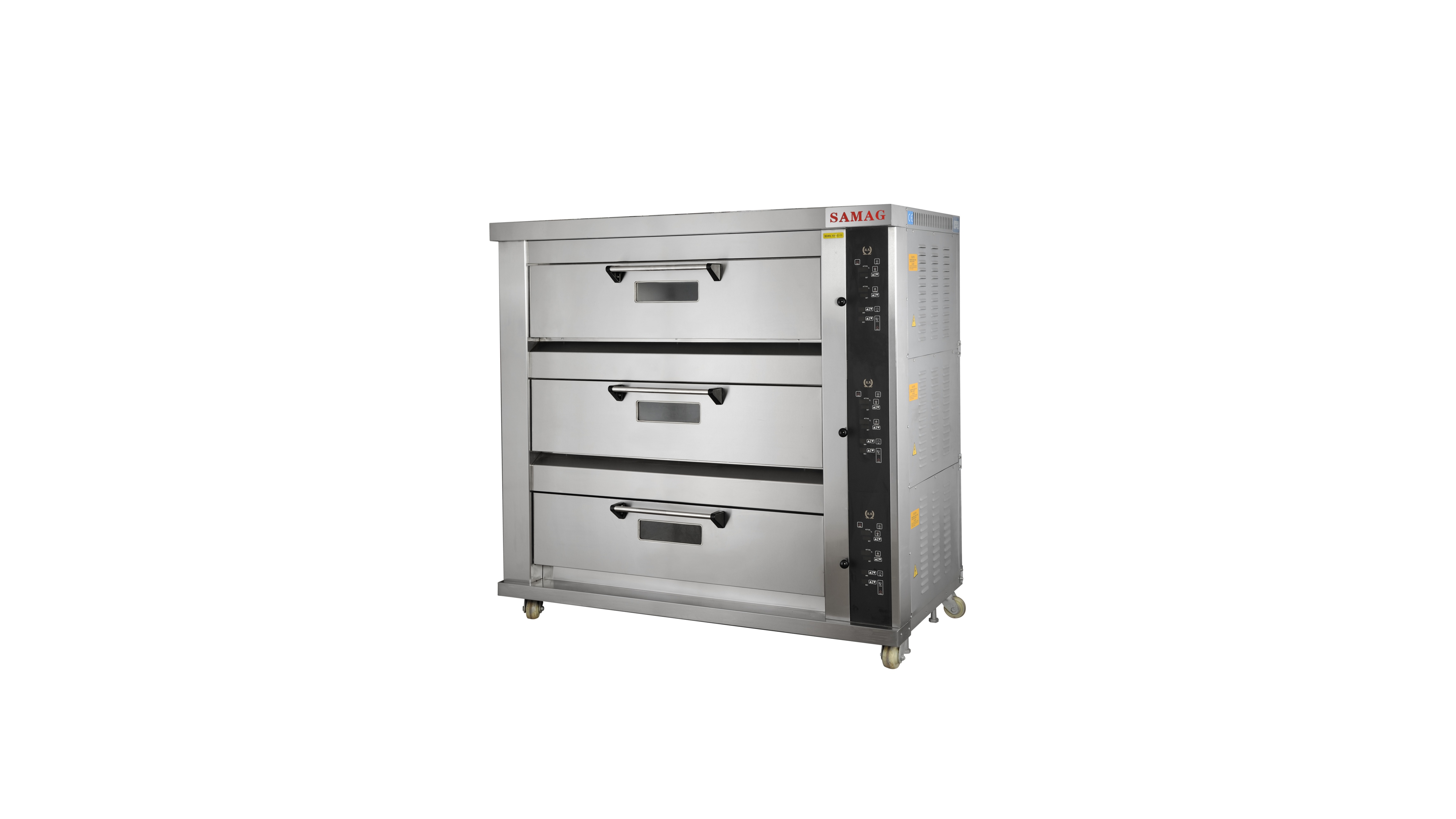
Regular cleaning keeps a commercial oven running smoothly. Remove crumbs and grease after every busy shift. Also, check door seals for wear each week. Small fixes prevent expensive breakdowns later. Scheduled maintenance should follow the maker's guide. Certified technicians can spot hidden problems early. Therefore, book service visits before peak seasons arrive. This habit protects both output and safety. Train every staff member on correct daily operation. Consistent use patterns reduce stress on key parts. As a result, your commercial ovens serve reliably for years. Finally, record every repair to guide future decisions. Small daily habits extend the life of every machine. Wipe surfaces after each shift without delay. As a result, rust and residue never get a chance to build up. Also, replace worn parts before they fail completely. The right commercial oven turns a busy kitchen into a smooth operation. It saves time, reduces waste, and builds a stronger reputation. So start with clear goals and compare trusted options carefully. In the end, good equipment becomes a partner in your success.
Share to:


