Smart Kitchen Investments: Choosing the Best Commercial Toaster Oven
Find the right commercial toaster oven for your business with this guide. Compare types, features, and top models to make smart choices for fast, consistent results.
2026/10/16
Reading volume: 1
News Details
Why Your Kitchen Needs a Commercial Toaster Oven
Running a food business demands equipment that delivers continuous reliability, and a commercial toaster oven provides the heavy-duty performance standard home units cannot sustain. Designed to withstand back-to-back cooking cycles during high-volume peak service hours, a commercial toaster oven rapidly toasts bread, bagels, and sandwiches without slowing down the kitchen line. Fast production speeds shorten customer wait times, streamline ticket fulfillment during morning rushes, and increase daily hourly revenue. Furthermore, automated cooking cycles and consistent heat distribution free up kitchen staff to focus on food prep and plating, reducing manual errors and maintaining consistent dish quality across every shift.
Commercial Toaster Oven vs. Conveyor Toaster Oven
Understanding the operational differences between a standard commercial toaster oven and a high-volume conveyor toaster oven ensures you select the right fit for your daily menu:
-
Conveyor Toaster Oven: Utilizes a continuous moving belt to feed bread past heating elements, making it the ideal choice for high-volume toast production, self-serve buffets, and simple breakfast menus.
-
Commercial Toaster Oven: Offers multi-functional cooking capabilities—including baking, broiling, and melting—within a compact footprint, making it perfect for diverse menus that require melting cheese on open-faced sandwiches or crisping appetizers.
-
Space & Energy Efficiency: Compact batch ovens fit tightly into small kitchen lines, while conveyor models require longer horizontal counter space and consume continuous operating power throughout the shift.
How to Select the Best Commercial Toaster Oven
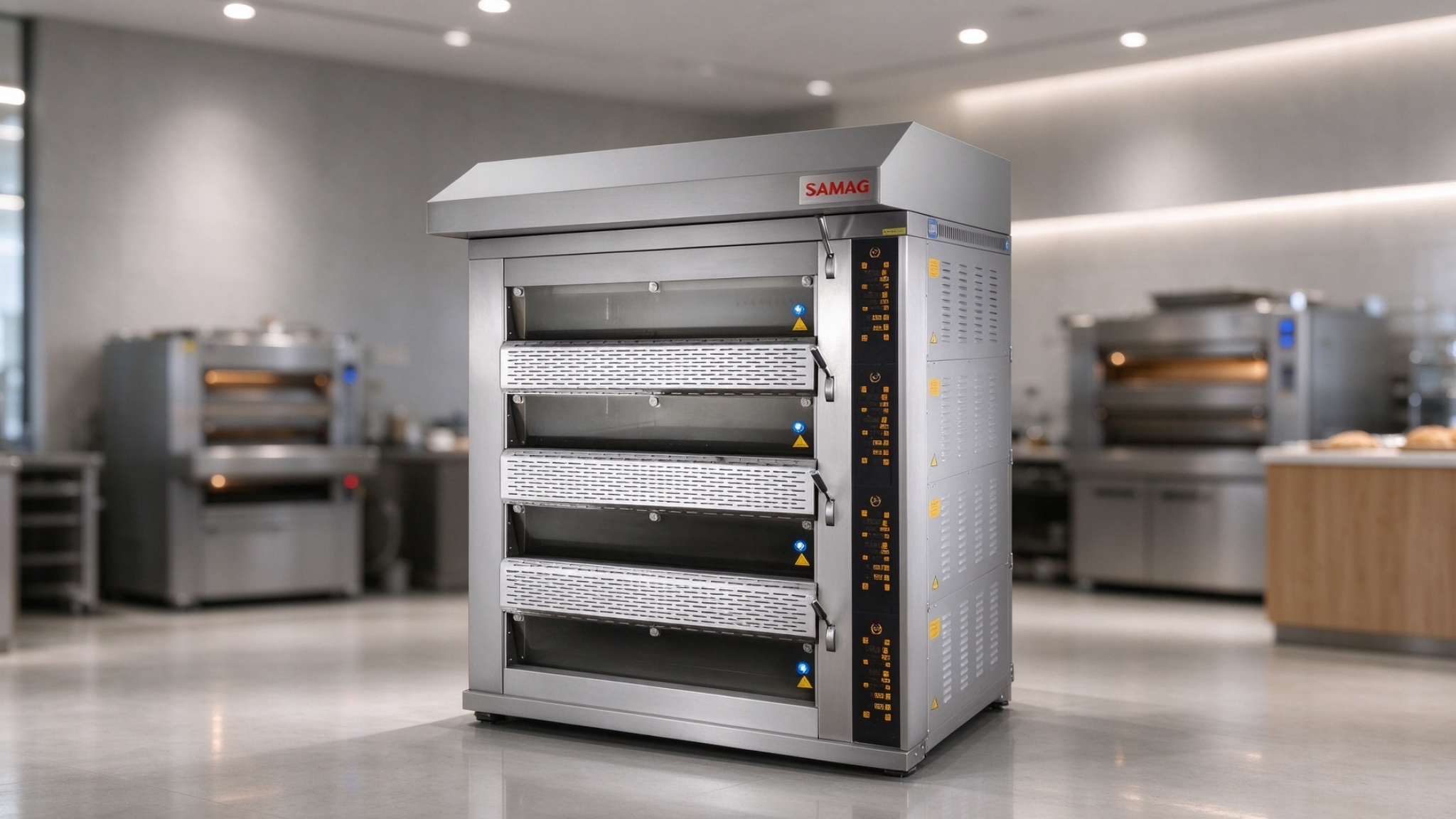
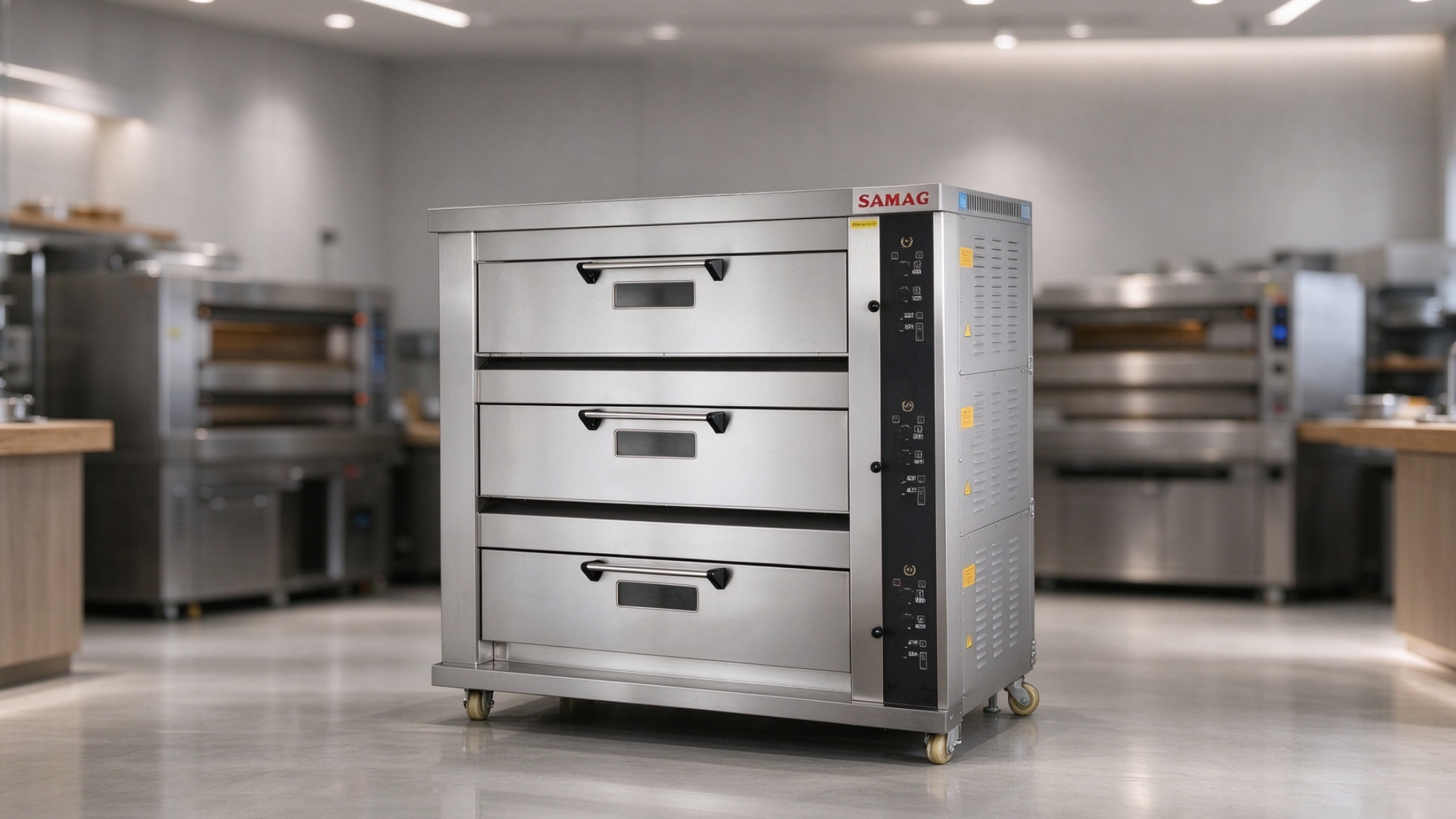
Selecting the best commercial toaster oven requires calculating your daily output targets, measuring available counter dimensions, and verifying your kitchen's electrical supply capacity. Look for high-wattage units with adjustable temperature controls and independent heating element settings, allowing staff to quickly switch between melting, crisping, and gentle reheating. Durable stainless steel construction withstands daily kitchen abuse and simplifies routine sanitization, while cool-touch exteriors and insulated handles protect staff from burn injuries. Investing in proven commercial brands backed by solid warranty coverage guards your business against unexpected maintenance delays and expensive kitchen downtime.
Maintenance Tips for Long-Lasting Performance
Preserving the long-term reliability of your commercial toaster oven requires establishing disciplined daily and weekly cleaning routines. Staff should remove and empty crumb trays at the end of every shift and wipe down interior surfaces to prevent grease and carbon buildup. Weekly deep cleaning—including washing removable racks and inspecting heating elements for residue—maintains even heat output and energy efficiency year after year. Training staff on correct operational procedures, keeping spare heating elements and trays on site, and addressing minor mechanical issues promptly will keep your toaster oven operating at peak efficiency for decades.
Share to:


