Industrial Mixer Guide: Choosing the Best Commercial Dough Mixer
Discover how an industrial mixer boosts bakery efficiency. Compare commercial mixers and bakery mixer options. Find the perfect commercial dough mixer for your production line.
2026/09/23
Reading volume: 0
News Details
Why Commercial Mixers Transform Daily Operations
Every successful bakery depends on reliable equipment, and an industrial mixer turns raw ingredients into perfect dough while saving time, energy, and labor on every shift. Commercial mixers differ significantly in capacity, power, and build quality, making careful planning essential to avoid production line disruptions. Integrating a commercial mixer reduces prep time dramatically, blending flour, water, and yeast in minutes so staff can prepare multiple recipes without exhaustion. These heavy-duty units deliver uniform texture across every batch, ensuring every loaf, roll, and pastry maintains consistent quality from morning to night. Beyond speed, commercial mixers eliminate physical strain on workers, reducing workplace injuries while maintaining high team morale. During peak seasons, industrial mixers handle sudden demand spikes with ease, keeping pace with large orders without creating stressful overtime bottlenecks.
How to Choose the Right Bakery Mixer
Selecting the ideal bakery mixer requires matching machine capabilities to your facility's specific operational needs:
-
Production Volume: Calculate daily output to choose an appropriately sized mixer that handles peak demand without wasting floor space or energy.
-
Dough Types: Select mixing actions compatible with your menu—heavy bread and pizza doughs require high-torque spiral mixing, whereas delicate pastries benefit from planetary actions.
-
Sanitation & Materials: Choose stainless steel bowls and removable components that resist corrosion, eliminate lingering odors, and simplify daily hygiene routines.
-
Service & Support: Verify that suppliers offer local technician support, accessible spare parts, and comprehensive warranties to prevent costly downtime.
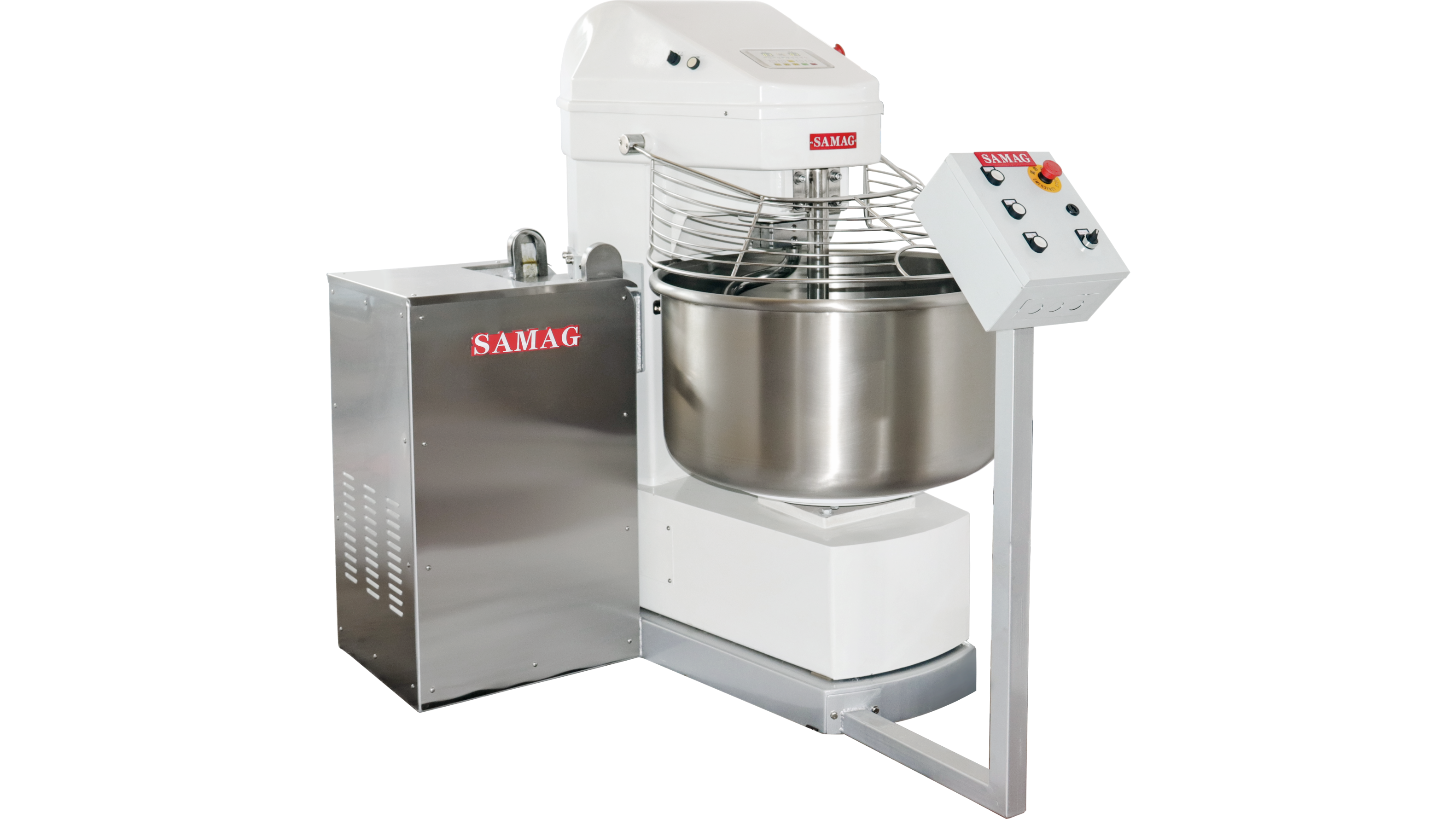
Key Features of a Modern Industrial Mixer
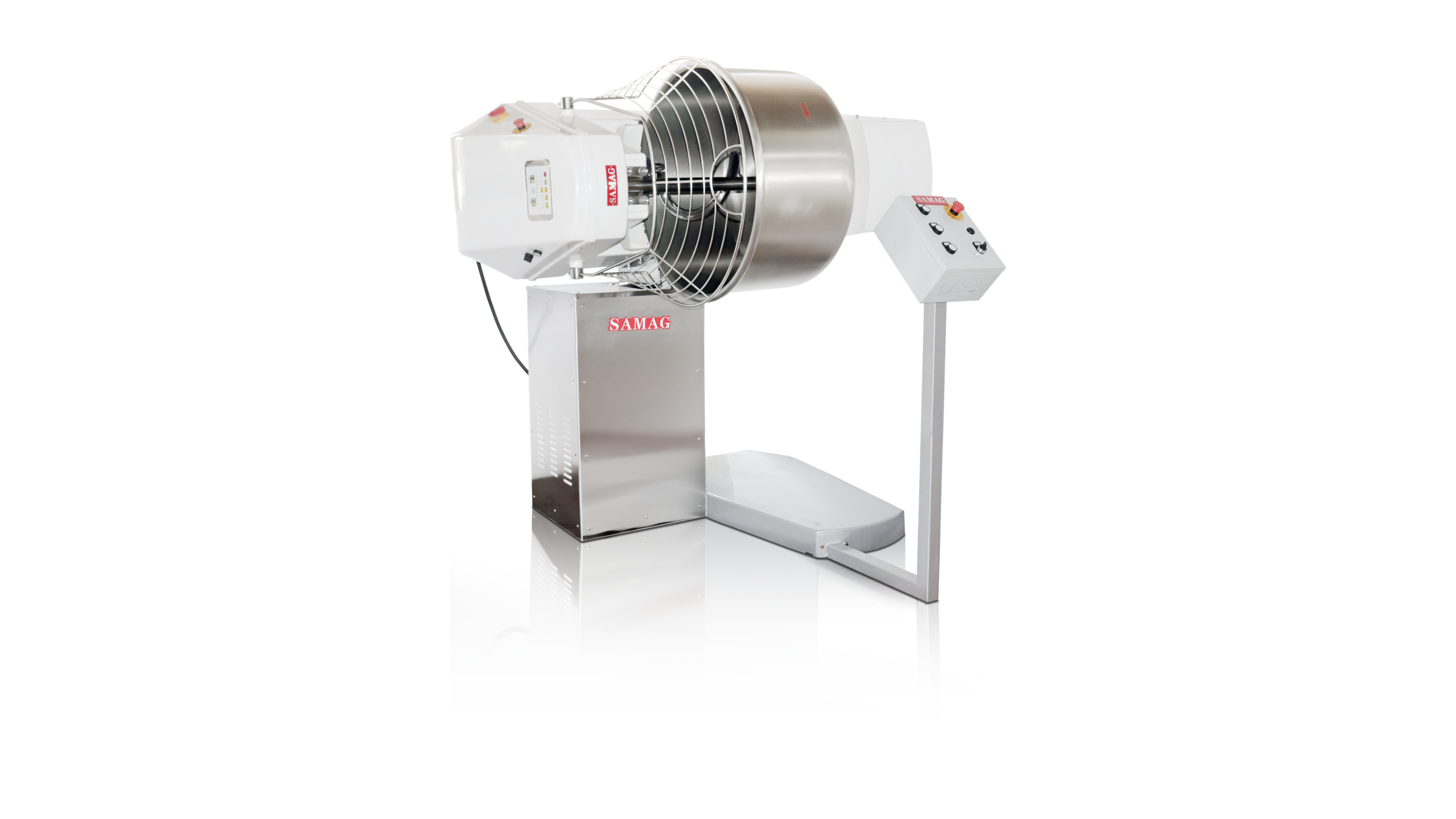
Modern industrial mixers combine power with advanced controls to maximize batch repeatability. Variable speed settings allow operators to adjust performance instantly—switching from gentle folding for delicate doughs to high-speed blending for dense batters. Digital timers and automated cycles lock in exact mixing times, ensuring consistent product quality across different shifts and reducing reliance on operator experience alone. Essential safety features, including emergency stops and heavy-duty bowl guards, protect staff and lower workplace risk. Energy-efficient motor designs further enhance value by consuming less power per batch. Over a full operational year, reduced utility expenses directly contribute to lower production costs and improved profit margins.
Maximizing ROI with a Commercial Dough Mixer
A commercial dough mixer represents a long-term capital investment that pays for itself through increased output, reduced labor costs, and elevated product quality. Proper installation planning—ensuring adequate workspace clearance, proper ventilation, and correct electrical capacity—extends equipment lifespan from day one. Implementing a strict preventative maintenance schedule keeps equipment running smoothly. Regularly lubricating moving parts and inspecting drive belts prevents unexpected breakdowns during peak production hours. Tracking monthly output, utility usage, and maintenance metrics helps bakery managers optimize workflows and ensure maximum operational return for years to come.
Share to:


