Commercial Bakery Bread Oven Buying Guide
Discover how to choose the right bread oven for your bakery. Compare commercial baking oven features, bakery oven benefits, and smart buying steps.
2026/09/23
Reading volume: 0
News Details
Why a Bread Oven Matters for Commercial Bakeries
A quality bread oven forms the operational heart of every commercial bakery, delivering steady heat that produces consistent, golden loaves every morning. Achieving uniform baking results demands precise temperature control across every batch, ensuring each loaf maintains the exact color, texture, and taste your customers expect on every visit. Matching the unit to your available floor space, staff workflow, and future menu expansion is essential. A larger bread oven prevents early replacement as production grows, though standard sizing should carefully balance current demand with long-term goals. Thorough planning—including measuring doorways, ventilation, and electrical capacity—prevents costly installation mistakes down the line.
Key Features of a Reliable Commercial Baking Oven
Even heat distribution decides the final quality of every crust, as balanced airflow prevents burnt edges and undercooked centers. Bakers need intuitive, reliable controls on every shift, alongside durable stainless steel construction that handles heavy daily use while remaining easy to clean and sanitize. Modern commercial baking ovens incorporate digital timers and precise thermostats to minimize human error and streamline staff training. Thoughtful structural details—such as ergonomic door handles, heavy-duty insulation, and bright interior lighting—allow staff to monitor baking progress effortlessly without losing chamber heat. Because commercial ovens run for many hours every day, evaluating energy efficiency across different models is critical. High-efficiency units cut monthly utility bills dramatically, allowing long-term energy savings to directly boost operational profitability.
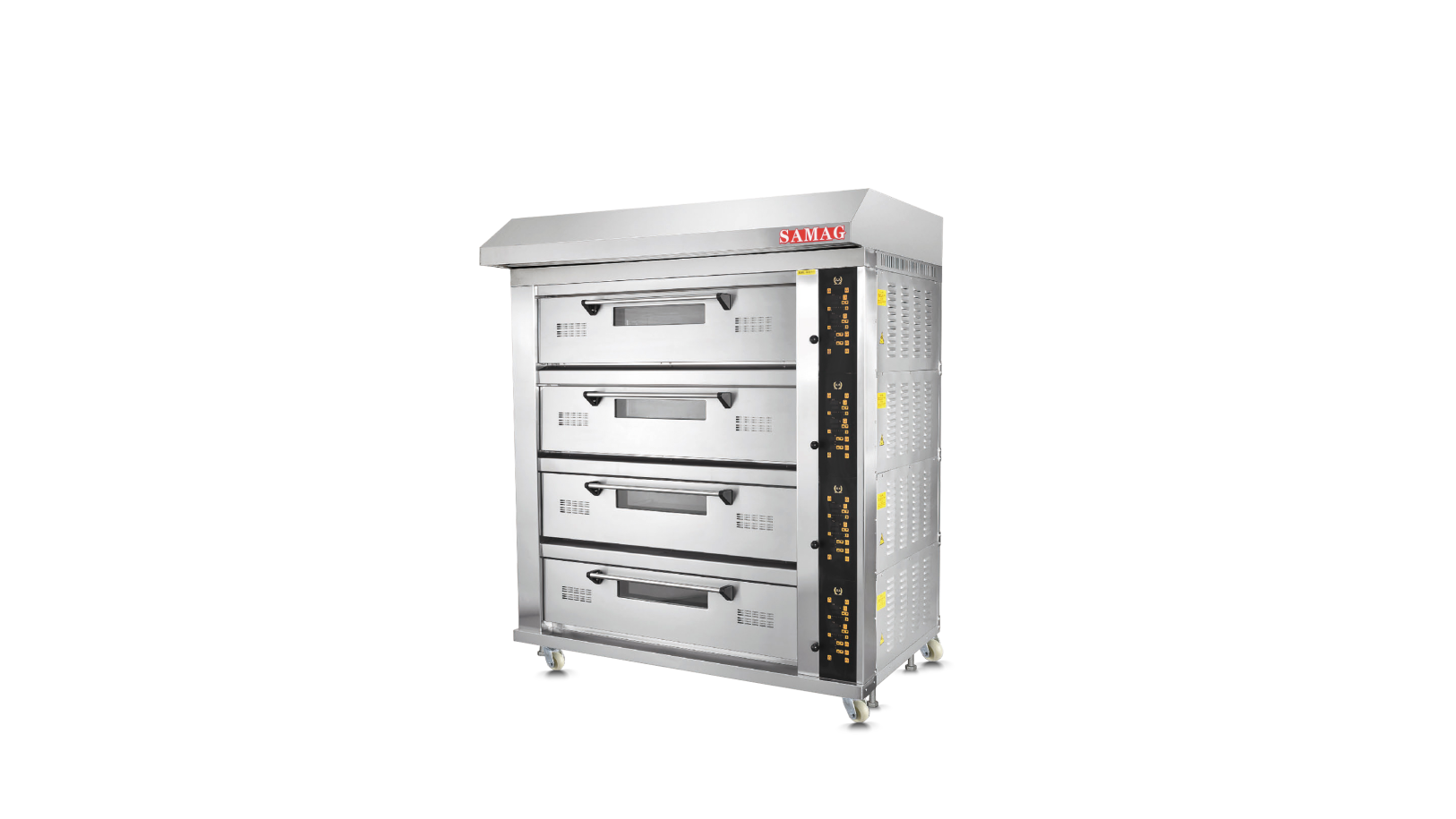
How a Bakery Oven Boosts Your Daily Output
Selecting the right bakery oven increases production speed immediately, allowing more loaves to finish in less time so your team can serve higher customer volumes without bottlenecks. Consistent batch quality builds long-term customer trust, while spacious deck or rack capacity supports a wide variety of artisan breads, rolls, and pastries to expand menu offerings. Predictable baking times simplify daily scheduling and improve overall kitchen organization. Staff can time dough preparation and baking cycles with total confidence, reducing ingredients waste and streamlining early-morning shifts. Regular preventative maintenance ensures long-term operational reliability. Keeping filters, heating elements, and ventilation exhausts clean prevents sudden breakdowns, ensuring your bakery oven delivers steady output with minimal repair costs.
Smart Steps to Buy the Right Bread Oven
Smart purchasing begins with an accurate estimate of your daily production volume and available kitchen space. Before committing to an order, request live demonstrations from suppliers to watch how different ovens handle real dough batches under actual working conditions. Comparing warranty terms and after-sales support across brands is equally important. Ensure your supplier maintains ready access to spare parts and offers fast local service response times to protect your operational uptime. Focusing on long-term value rather than the lowest upfront price ensures a higher return on investment. A dependable bread oven pays for itself through higher production capacity, consistent product quality, and energy-efficient operation over years of service.
Share to:


