Bread Mixer: A Complete B2B Buying Guide for Commercial Bakeries
Discover how a reliable bread mixer boosts dough quality and production speed. Compare bread dough mixer options and learn smart buying tips for your bakery.
2026/09/09
Reading volume: 0
News Details
Running a bakery means turning simple ingredients into consistent daily bread. The quality of that bread starts with the dough. Therefore, a dependable bread mixer is not a luxury. It is the backbone of every busy bakehouse. For example, professional bakers trust the right bread mixer machine to save hours each shift.
Why Every Commercial Bakery Needs a Bread Mixer
Hand mixing dough works for small home batches. However, it cannot support steady commercial output. Also, manual kneading leads to uneven gluten development. This causes inconsistent loaves and wasted ingredients. But a bread mixer handles large volumes with uniform results every time. For example, a busy bakery can produce hundreds of loaves daily. Each batch must meet the same texture and taste standards. A commercial bread mixer delivers that repeatability effortlessly. Therefore, production managers rely on it to protect their brand quality. Beyond consistency, a bread mixer also protects your staff. Manual kneading strains shoulders and wrists after long shifts. Also, repetitive work increases the risk of injury. But a machine takes over the heavy labor completely. Therefore, your team can focus on shaping and baking instead.
How a Bread Dough Mixer Works
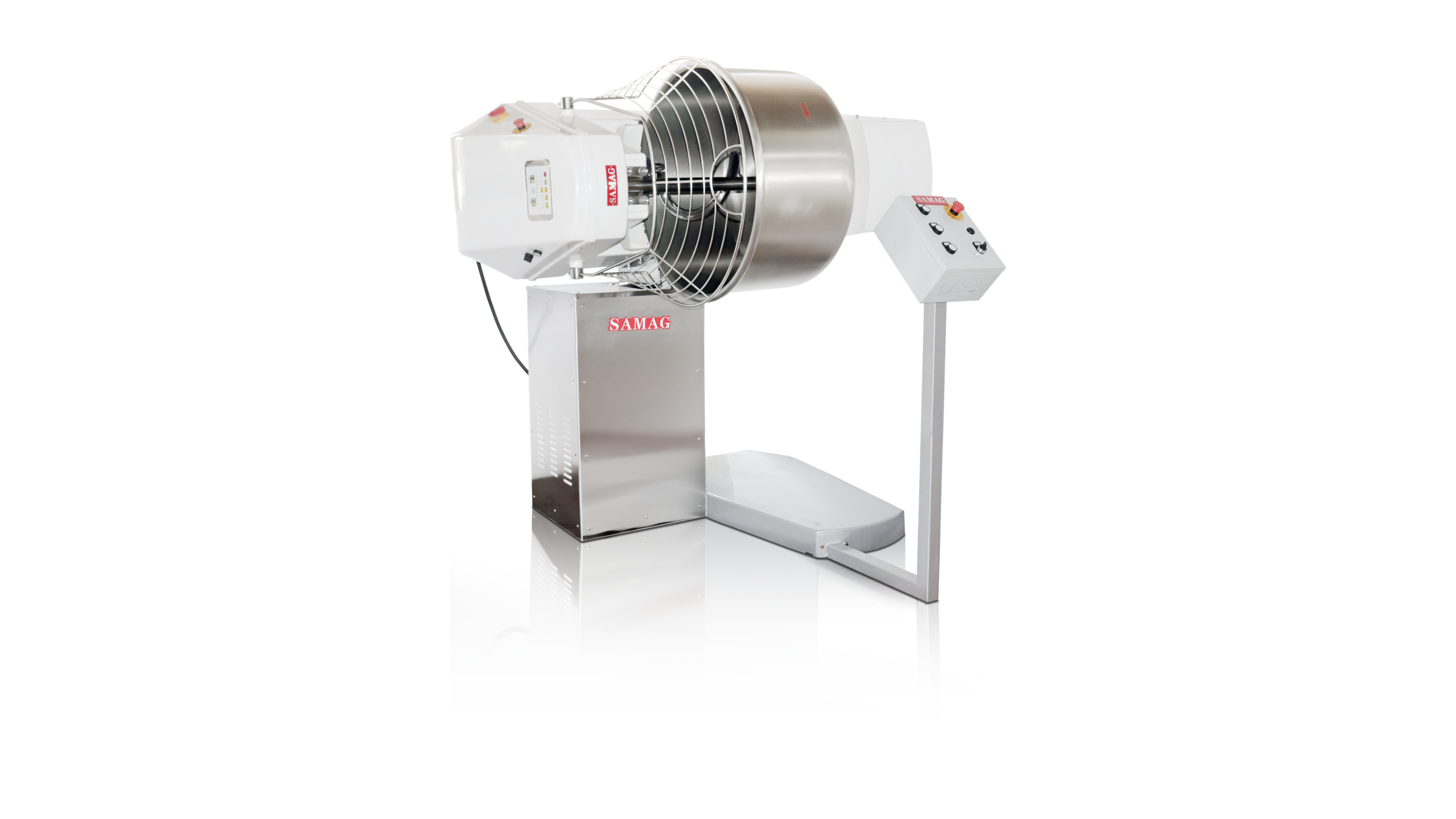
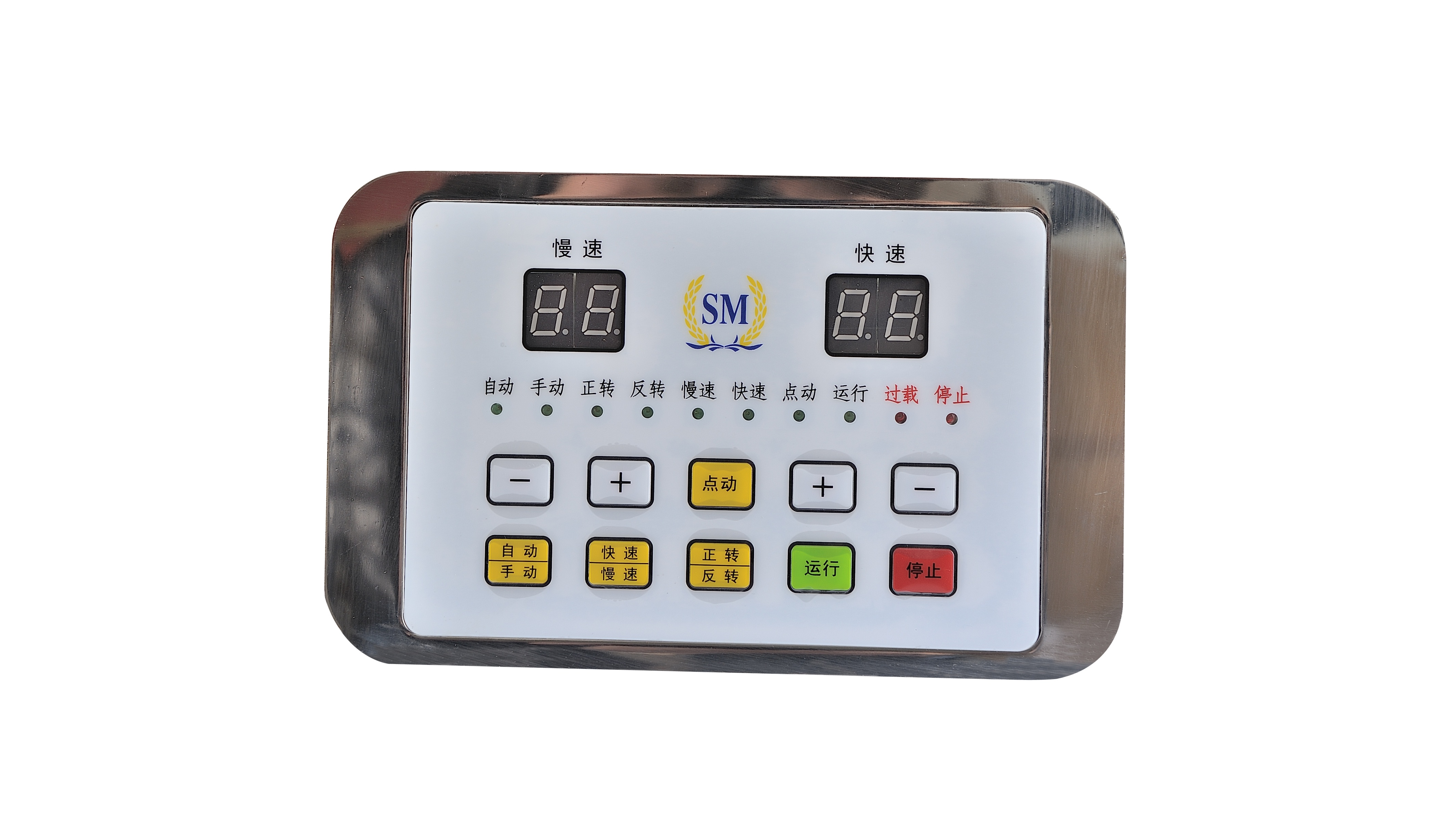
A bread dough mixer combines flour, water, yeast, and salt with powerful mechanical action. This process develops gluten quickly and evenly. Also, the machine controls mixing speed and time precisely. Therefore, bakers get the exact dough consistency they need. Standard models use spiral arms that knead without overheating the dough. This protects the yeast and preserves flavor. Also, many bread mixer machines offer different speed settings. Consequently, operators can adjust from slow folding to fast development. In addition, automatic timers reduce human error. For example, artisan loaves need gentle mixing at low speed. Meanwhile, sandwich bread requires faster gluten development. But one versatile unit handles both jobs easily. Therefore, a single bread dough mixer can replace multiple manual processes.
Choosing the Right Bread Mixer Machine
Selecting the correct machine depends on your daily output. For example, a small bakery may need a compact countertop unit. In contrast, a large plant requires a floor-standing model. Therefore, calculate your peak production before purchasing. Also, consider bowl capacity and motor power carefully. A bigger bowl means fewer batches per day. But a powerful motor ensures consistent kneading under heavy loads. Standard features like safety guards and digital controls add real value. In addition, look for easy cleaning and reliable spare parts. Compare different bread mixers by build quality and warranty. Therefore, choose a supplier with strong after-sales support. For example, a reputable manufacturer offers training and fast service. This reduces downtime and protects your investment. Remember that the cheapest option is not always the best. A low-cost machine may fail during peak season. But a well-built unit handles daily stress without problems. Therefore, invest in durability from the start. Also, ask about energy consumption and available voltage. These factors affect operating costs and installation. Therefore, verify them before you sign the order. In addition, request a live demo with your own flour and water.
Maintenance and Long-Term Value
Regular maintenance keeps your bread mixer machine running for years. Also, clean the bowl and spiral arm after every batch. This prevents dough residue from affecting future mixes. Therefore, simple daily care avoids expensive repairs. But even the best equipment needs periodic checks. Standard maintenance includes lubrication and belt inspection. Also, schedule professional servicing once a year. For example, this routine extends the machine lifespan significantly. Finally, consider the return on investment. A dependable bread mixer reduces labor and ingredient waste. Also, it boosts production capacity and product quality. Therefore, the right machine pays for itself quickly. So, investing in a quality bread mixer is a smart decision for any growing bakery. Therefore, when you plan your next equipment upgrade, start with the mixer. Also, train your team on proper usage every week. This simple step unlocks the full potential of your machine. So, your bakery will grow with confidence and consistency.
Share to:


