The Spiral Mixer That Modern Bakeries Rely On
Learn how a spiral mixer improves dough quality and speeds up production. Compare industrial mixer options, bakery mixer features, and commercial mixers for your operation.
2026/08/20
Reading volume: 1
News Details
Why the Spiral Mixer Leads the Bakery Floor
A spiral mixer handles heavy dough without straining the motor. Its spiral arm rotates while the bowl turns in the opposite direction. This dual action develops gluten quickly and evenly every time. Therefore, bakers cut mixing time without losing dough quality. The finished dough feels smooth, elastic, and ready for shaping. Many professional kitchens choose this design for solid reasons. Standard models handle repeated use throughout a long shift. Also, they reduce manual effort and lower staff fatigue. Commercial mixers in this class run quietly and stay reliable. That makes them perfect for busy bakery production floors. The spiral motion also prevents dough from sticking to the bowl. Mixing stays smooth even with sticky or high-hydration recipes. As a result, cleanup becomes faster and simpler for operators. This small gain adds up across hundreds of daily batches. Operators quickly learn the machine and trust its results. Training new staff takes very little time each month. Therefore, the bakery keeps running without interruptions or errors.
The Industrial Mixer for High-Volume Production
When output grows, an industrial mixer becomes a critical asset. These machines blend large batches in a single working cycle. For example, a 100-liter model handles demanding recipes with ease. Production teams can then shorten total mixing time dramatically. This directly raises daily output without adding extra workers. Downtime is the biggest enemy of any food production plant. But durable parts reduce the risk of unexpected breakdowns. A well-built industrial mixer also consumes less electrical energy. Therefore, operating costs remain low over many years of use. Reliable machines quickly pay for their own purchase price. Standard industrial mixers come in sizes that match any plant. Small units suit artisan bakeries with limited floor space. Large models support round-the-clock manufacturing schedules. Whichever size you pick, performance stays consistent every day. An industrial mixer also simplifies cleaning between production runs. Quick-change bowls and smooth surfaces save valuable time. As a result, hygiene standards stay high without extra effort. This keeps audits simple and customers confident in your brand.
How a Bakery Mixer Protects Dough Quality
A bakery mixer must treat every batch of dough gently. High speeds can overheat dough and destroy its fine texture. Yet the spiral design keeps dough cool during long mixing cycles. This protects flavor, crumb structure, and overall shelf life. Every loaf then looks and tastes the same every single day. Precise control matters for every recipe you run. Operators can adjust mixing speed and time with complete ease. Also, a bakery mixer handles stiff dough without straining. Even high-hydration dough develops correctly and stays stable. Therefore, bakers enjoy consistent results batch after batch. Consistent dough means consistent products for your customers. Bread rises evenly, and pastries keep their intended shape. Meanwhile, the machine protects dough temperature throughout. These benefits build trust in your brand over time. A gentle bakery mixer also preserves delicate ingredients. Butter, seeds, and fruit stay whole inside the dough. Therefore, each batch keeps the rich character your customers expect. This quality advantage is hard for competitors to copy.
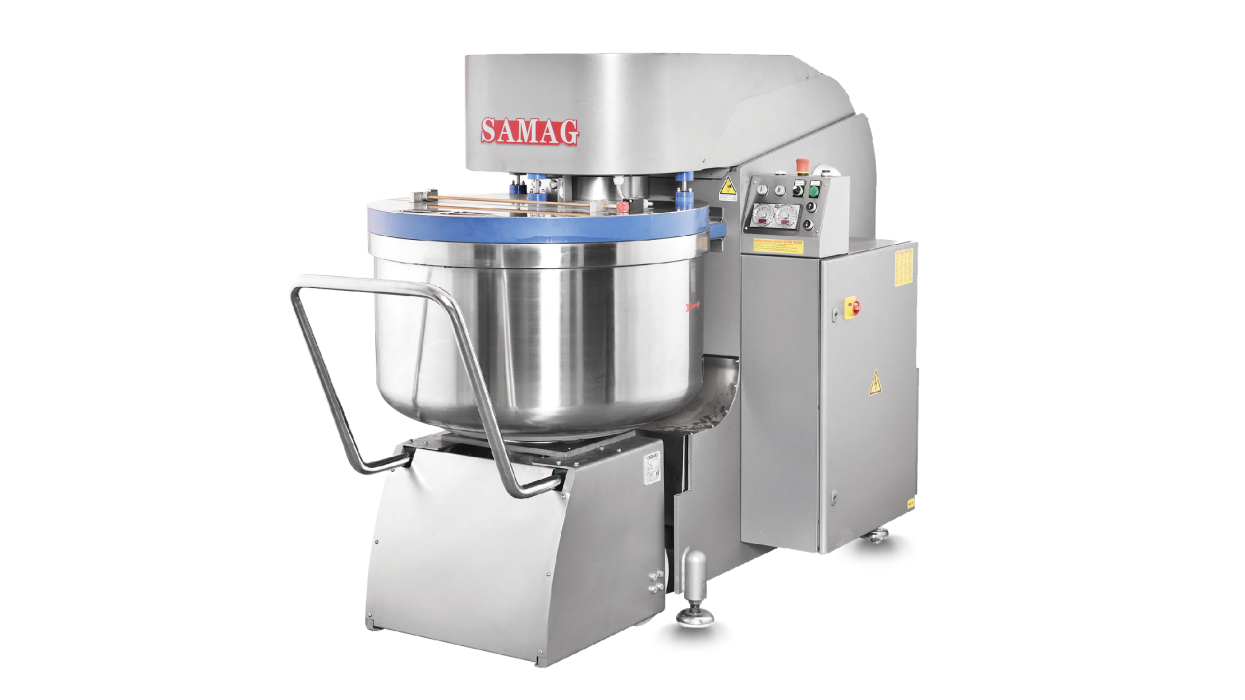
Selecting the Right Commercial Mixer for Your Operation
Choosing a commercial mixer starts with your real workload. Estimate the dough volume you must produce every single day. Standard machines suit small bakeries, cafés, and pastry shops. Larger operations demand bigger bowls, motors, and frames. Therefore, always match the machine to your actual demand. Budget and after-sales service also shape your final decision. But cheap units often become expensive over their lifetime. Look for easy cleaning features and responsive technical support. An industrial mixer with a solid warranty is the safer choice. Ultimately, the right bakery mixer drives steady business growth. Before you buy, request a test run with your own dough. This simple check reveals real performance on the production floor. Also, compare spare parts availability across different brands. A smart purchase today protects your bakery for years ahead. Talk to suppliers who understand commercial baking operations. Good partners share honest advice about sizing and power. Therefore, your final choice balances cost, output, and durability. A trusted supplier becomes a long-term asset for your business.
Share to:


