Commercial Oven for Sale: A Smart Investment for Your Bakery
Find a reliable commercial oven for sale for your bakery. Compare models, features, and pricing to choose the best oven for baking and grow your business.
2026/08/20
Reading volume: 2
News Details
Upgrading your commercial baking equipment is one of the most critical capital investments for a growing bakery. Operating with outdated or residential-grade units leads to uneven heat distribution, high energy waste, and lost throughput during peak production hours.
Whether you are expanding a retail bakery or equipping an industrial production facility, choosing the right commercial oven directly impacts product consistency, daily output, and long-term operating costs.
Key Factors to Consider When Selecting a Commercial Bakery Oven
Selecting the right unit requires matching machine specifications to your specific menu, footprint, and daily batch targets.
-
Convection vs. Deck vs. Rotary Ovens:
-
Convection Ovens: Ideal for high-volume pastries, cookies, and general sheet-pan baking requiring rapid, uniform air circulation.
-
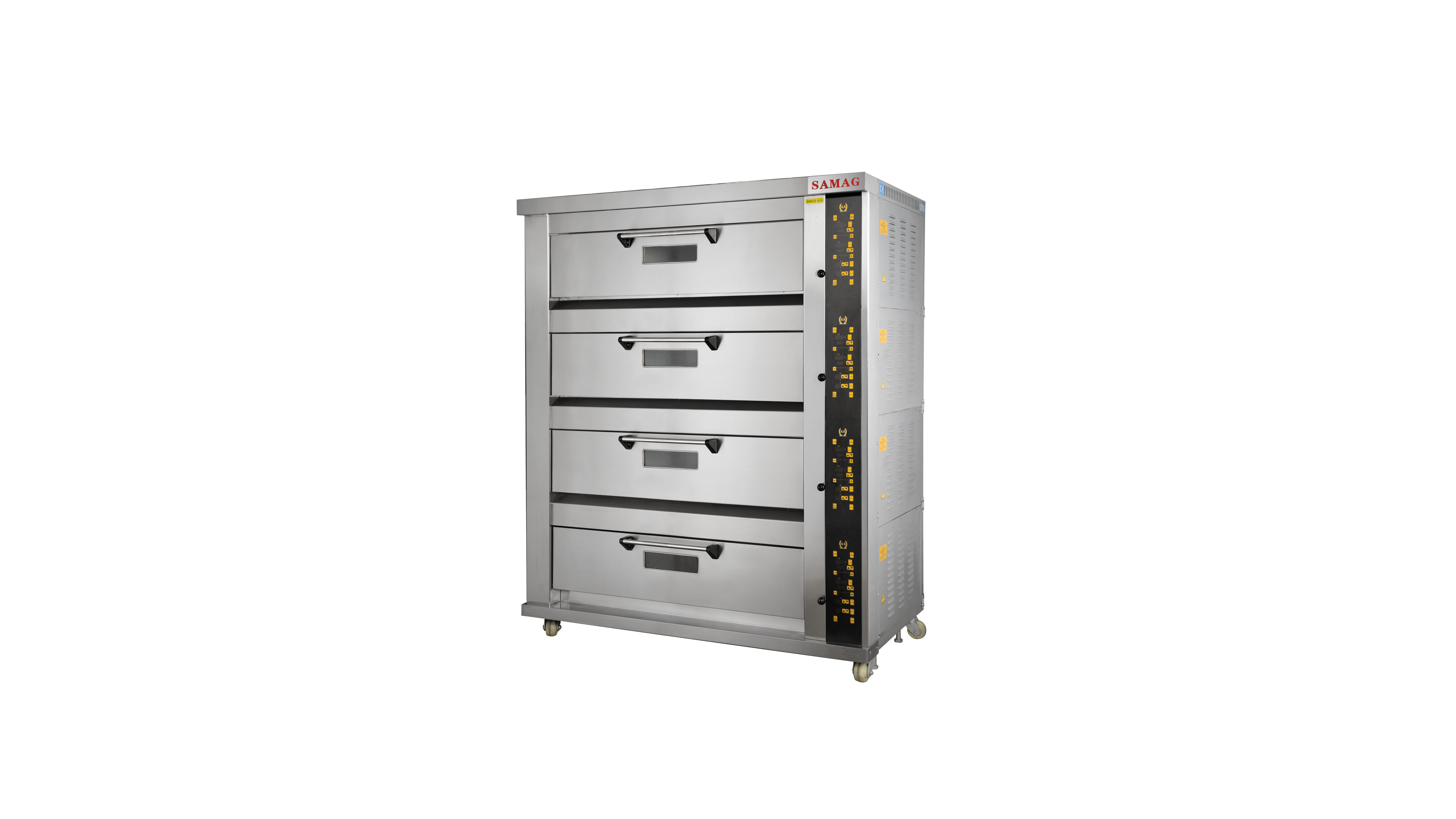
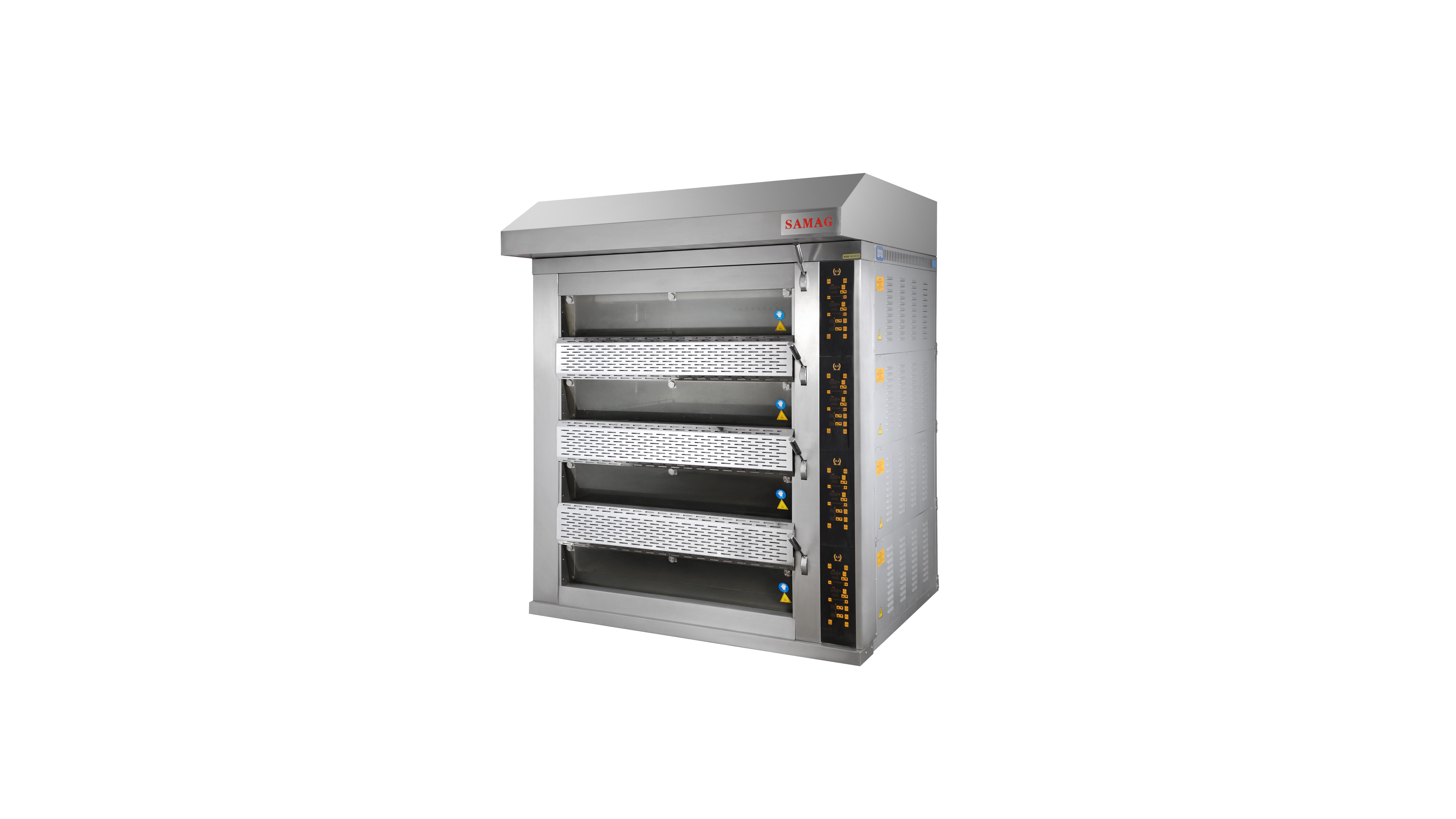
Deck Ovens: Essential for artisan breads, hearth loaves, and pizzas that require direct stone-sole heat transfer to develop rich crusts.
-
Rotary Rack Ovens: Designed for large-scale industrial output, accommodating full rack trolleys for maximum labor efficiency.
-
-
Fuel Type & Energy Efficiency: Gas units (Natural Gas or LPG) typically deliver faster thermal recovery times for heavy continuous baking. Electric models offer precise zone-temperature control and simpler installation requirements.
-
Tray Capacity & Spatial Footprint: Measure both your available floor space and clear ceiling height. Stackable modular designs allow bakeries to scale production vertically without sacrificing floor area.
Modern Commercial Oven Features That Drive ROI
Modern commercial baking equipment incorporates smart automation to streamline kitchen workflows and control utility overhead:
-
Programmable Microprocessor Controls: Store multi-stage baking profiles (temperature, fan speed, and steam injection) to eliminate human error and ensure product consistency across shift changes.
-
Integrated Steam Systems: Built-in steam generators produce fine moisture injection essential for crust development on European-style breads.
-
Advanced Thermal Insulation: High-density rock wool or ceramic insulation keeps heat inside the baking chamber, reducing ambient kitchen temperatures and cutting monthly energy bills.
-
NSF & CE Certified Construction: Heavy-duty 304 stainless steel interiors resist corrosion, withstand daily steam washdowns, and satisfy strict international food safety standards.
What to Evaluate When Sourcing a B2B Bakery Oven Supplier
A commercial oven purchase extends beyond the unit’s base price. To protect your investment and prevent costly operational downtime, evaluate suppliers against these core metrics:
-
Warranty & Technical Support: Ensure the manufacturer provides comprehensive component coverage (typically 1–2 years) and access to emergency technical assistance.
-
Spare Parts Availability: Confirm that critical wear-and-tear parts (heating elements, door gaskets, solenoids) are stocked locally or shipped rapidly.
-
Logistics & On-Site Commissioning: Verify whether the vendor assists with freight forwarding, uncrating, voltage setup, and initial performance testing.
Request a Custom Quote for Your Bakery
Investing in heavy-duty baking equipment yields direct returns through increased batch yield, lower energy usage, and reduced labor costs.
Contact our engineering team today to discuss your production volume, request detailed technical datasheets, or get a factory-direct quote tailored to your facility.
Share to:


