Bakery Oven Buying Guide: How to Choose a Commercial Baking Oven
Learn how to choose the right bakery oven for your business. Explore industrial ovens, commercial bread oven options, and key factors that boost efficiency, quality, and long-term value.
2026/08/20
Reading volume: 1
News Details
Why the Right Commercial Baking Oven Matters
Every bakery needs dependable heat. Your oven shapes your bread, pastries, and final profit. Therefore, a commercial baking oven is a serious long-term investment for any growing business. But not every oven performs the same. A quality unit keeps temperature steady and baking even. Also, it cuts energy use while lifting daily output. This balance drives consistent products and happy customers. Bakers often focus only on price. Yet the real cost appears across years of operation. Standard commercial ovens should hold stable heat for hours without hot spots. That reliability protects your recipes and your reputation.
Match the Oven to Your Production Needs
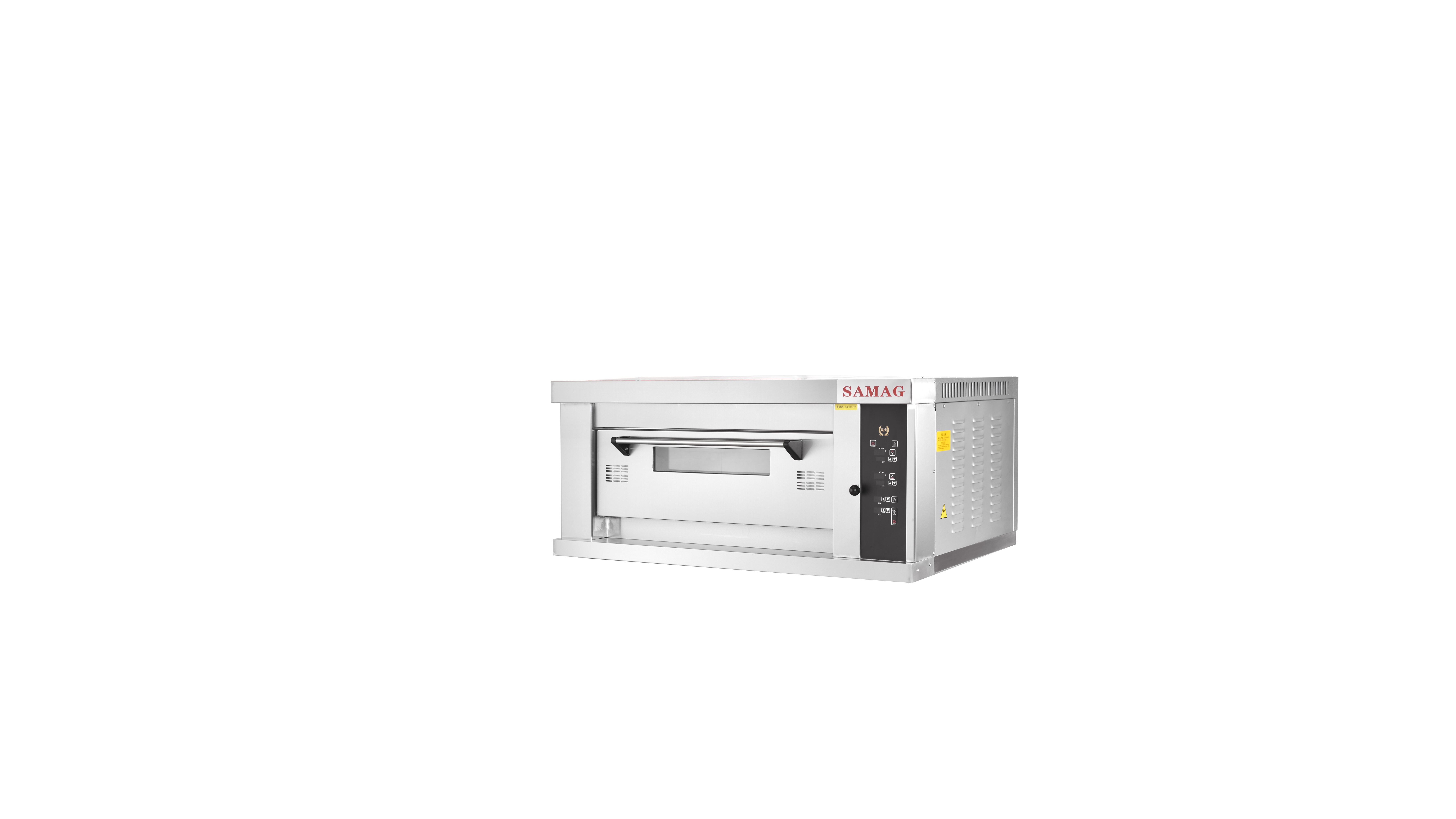
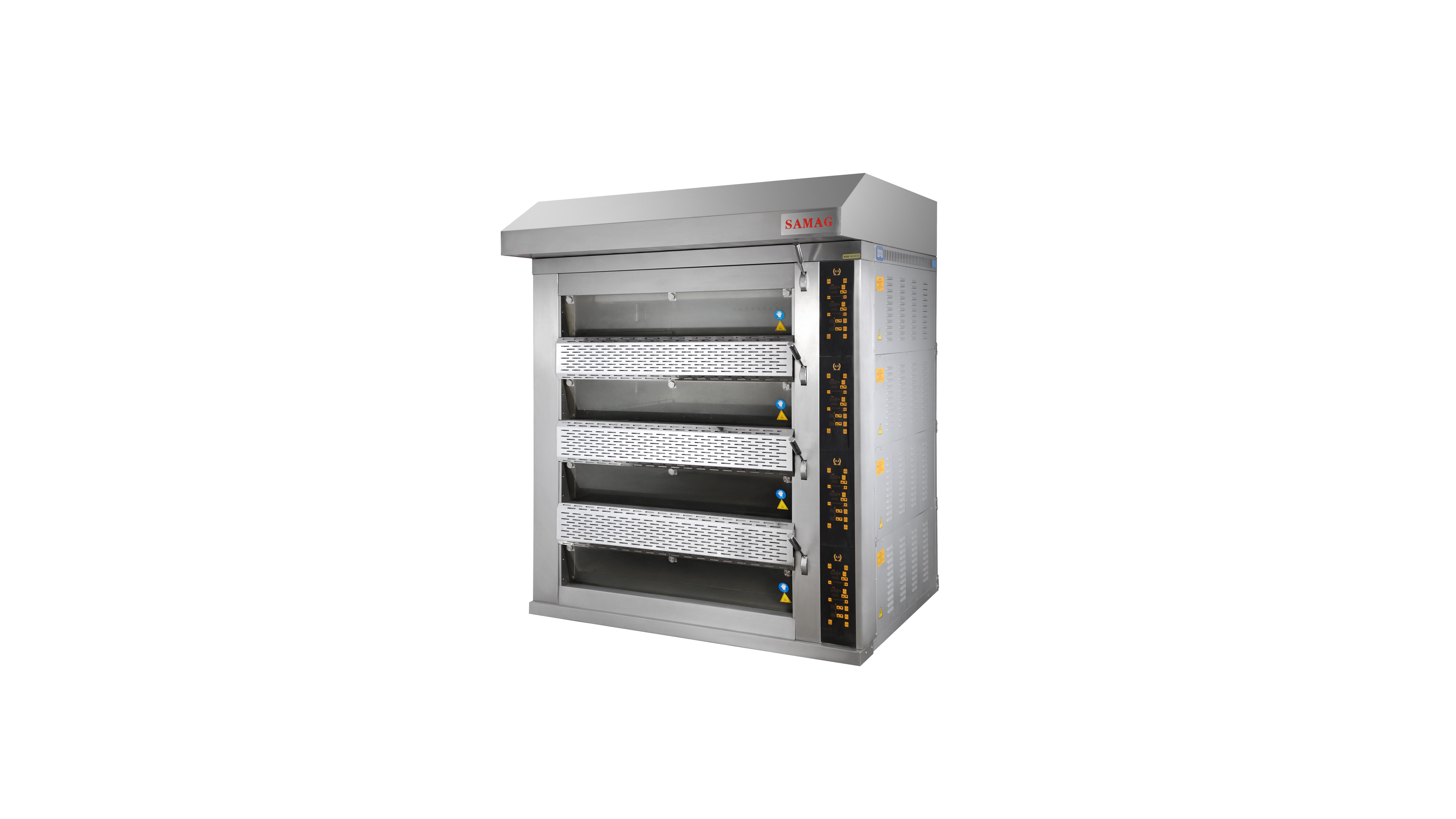
Start with your daily baking volume. A small shop may need just one compact unit. For example, a large plant might run several industrial ovens at once. This helps them meet rising demand quickly. Standard sizing depends on your trays and floor space. Measure the kitchen carefully before you order. Therefore, check power supply and ventilation requirements too. These details prevent costly surprises during installation. Think about future growth as well. A bigger oven now can delay a second purchase later. But avoid oversized units that waste energy every day. Match capacity to realistic demand, not optimistic guesses. Peak seasons change everything. Holidays and bulk orders push output much higher. Also, plan for these spikes without buying excess capacity. This approach balances flexibility and operating cost. Look for stainless steel construction. This durable material resists heat and cleans fast. Also, choose digital controls for precise and repeatable results. Good controls reduce waste and speed up staff training.
Core Features That Define a Great Bakery Oven
Good insulation keeps heat inside the chamber. It also makes the workplace cooler and safer. But insulation quality varies widely across brands. Therefore, compare specifications before making a final decision. Steam is a game changer for artisan bread. A commercial bread oven with steam boosts crust and volume. However, added features raise the purchase price. For example, match oven options to your actual menu and skill level. Glass doors help you monitor baking progress. Interior lights let you check color without opening the door. Standard designs include safety locks and cooling fans. These small features improve daily workflow. Uniform heat distribution matters more than raw power. Good airflow means every tray bakes at the same speed. Also, look for models with multiple heating zones. This gives you control over different products at once. Preheating time affects your whole shift. Slow ovens waste valuable morning hours. Also, fast recovery after loading cold dough keeps batches moving. Therefore, ask about heat-up and recovery times before purchase. Compare total cost, not just the sticker price. Include installation, spare parts, and routine service. Standard warranties protect your money for years. Therefore, ask every supplier for a full breakdown.
Make a Smart Purchase That Lasts
Also, request a test bake before signing. This shows real performance with your own recipes. But some vendors refuse this request easily. Walk away from those suppliers and find a partner who supports you. Energy efficiency deserves careful attention. Modern ovens use far less fuel than older models. For example, good insulation and smart burners cut monthly bills. This saving often covers the price difference quickly. Service support keeps your business running. A broken oven stops all production immediately. Therefore, choose a supplier with reliable local support. Ask about response times and spare parts availability. Training matters more than most buyers think. Simple controls shorten the learning curve for new staff. Also, request clear manuals and video guides. These resources reduce mistakes during busy shifts. Check safety certification before delivery. Reliable units carry clear compliance marks. But cheap imports may skip these standards. For example, ask for documentation to avoid future liability. In short, the best bakery oven fits your volume and budget. It should bake evenly and last for years. For example, a wise choice pays for itself quickly. Do your research, test your recipes, and buy with confidence.
Share to:


